The Invasive Species Challenge
The Invasive Species Challenge
The Invasive Species Challenge
The Invasive Species Challenge
One species can change an entire system. What can you do to change it back?
The Villars Institute and Tahi invite young people across New Zealand to take on one of the greatest threats to biodiversity: invasive species.
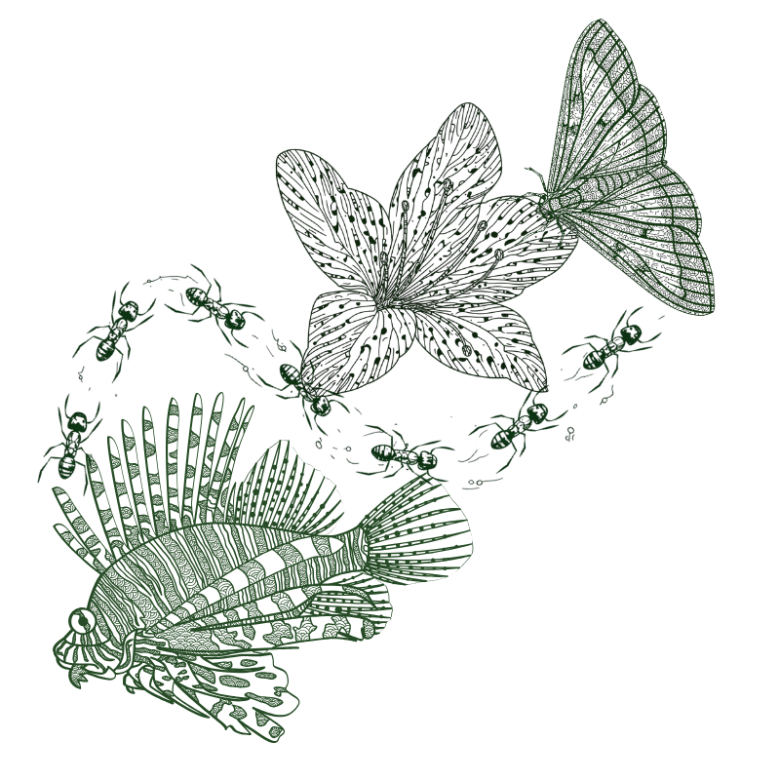
Discover how invasive species can transform entire ecosystems in this extract from How to Live on Earth.
Your school's project could take you to Switzerland.!
Build a team, tackle an invasive species where you live, and compete for the opportunity to present your work at the Villars Symposium in Switzerland in June 2027. Two additional teams will win trips to Tahi or Predator Free South Westland in New Zealand.
Open to students aged 14–18 across New Zealand. Entries close: 12 March 2027

About the Challenge
Local Action. Lasting Impact.
Organized by the Villars Institute and Tahi, and inspired by the film How to Live on Earth, the Invasive Species Challenge invites young people to investigate environmental challenges, apply systems thinking, and develop practical solutions.
Working in teams, students will identify an invasive species affecting their school or community, explore the wider factors contributing to the problem, and take meaningful action.
Whether through hands-on conservation or an innovative new solution, the challenge is an opportunity to make a measurable difference while developing skills in research, collaboration, and systems thinking.
Two Ways to Take Action
1. Action Pathway
Turn knowledge into action.
Already working on an invasive species project? Show us what you've done and the difference it's making.
From removing invasive plants to monitoring pest populations, this pathway recognizes student-led projects that are already underway or completed, with evidence of their impact.
2. Innovation Pathway
Develop solutions for the future.
Have an idea for a new way to tackle invasive species? Develop it, test it, and show us how it could make a difference.
From new detection methods to community-led initiatives, this pathway encourages creative, practical solutions that have been tested on a small scale and have the potential to grow.
The prizes

Present Your Project in Switzerland
Overall Winner | Villars Symposium 2027
The overall winning team (up to three students and one supervising adult) will present its project at the Villars Symposium in Switzerland, 13–16 June 2027, alongside young people, educators, and experts from around the world.
Travel, accommodations, and meals are covered for the winning team.
Action Prize
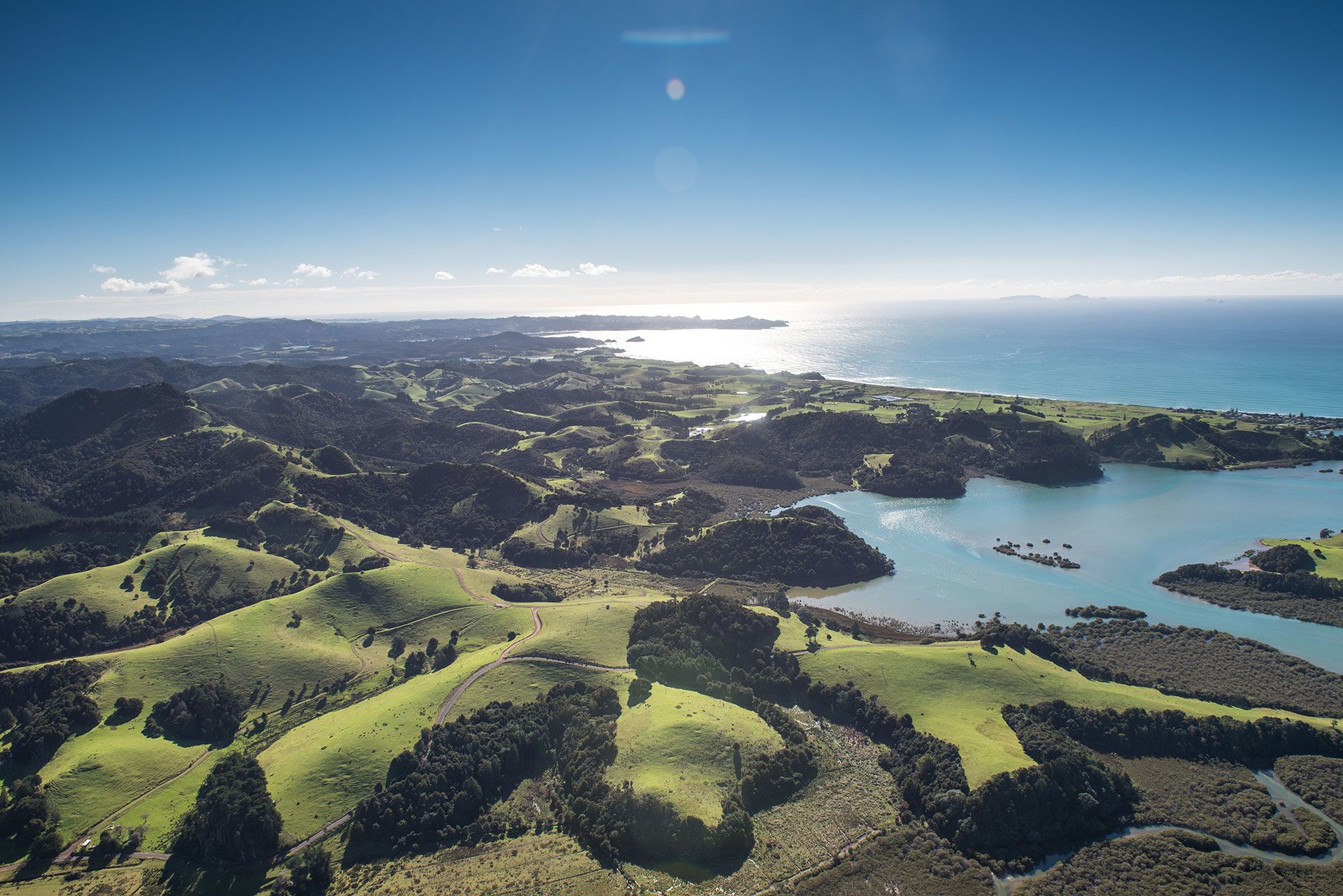
An Overnight Stay at Tahi, New Zealand
The highest-scoring remaining team in the Action pathway will win an overnight stay at Tahi, including a tour of the Ecolab to discover how the team tackles invasive species and restores native plants and wildlife. Participants may also enjoy a guided night walk to listen for kiwi and spot glowworms.
Innovation Prize
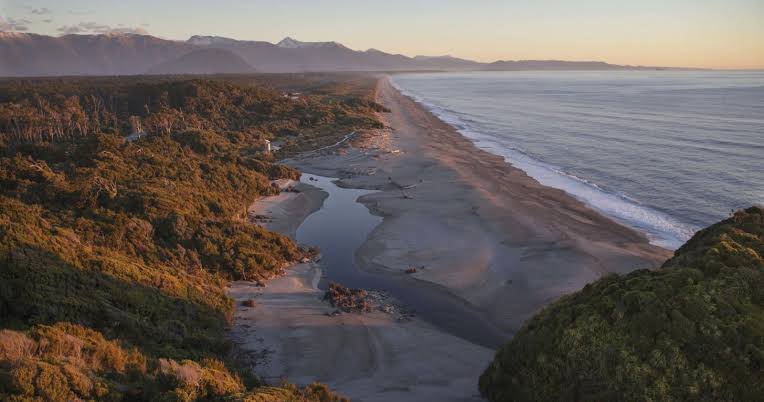
Explore Predator Free South Westland
The highest-scoring remaining team in the Innovation pathway will win a field trip to the West Coast with Zero Invasive Predators (ZIP). Based in Franz Josef, participants will visit the Predator Free South Westland field site and discover how AI-powered thermal detection cameras are being used to tackle invasive predators.
How to Participate
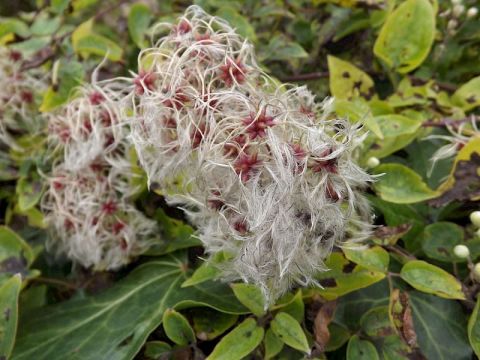
1. Identify
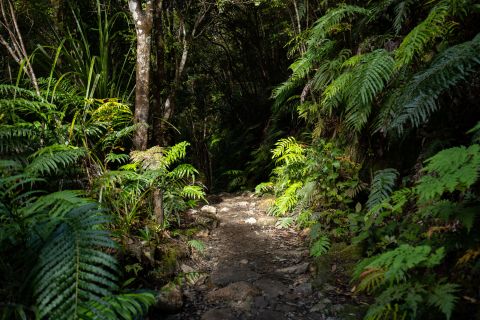
2. Look

3. Imagine
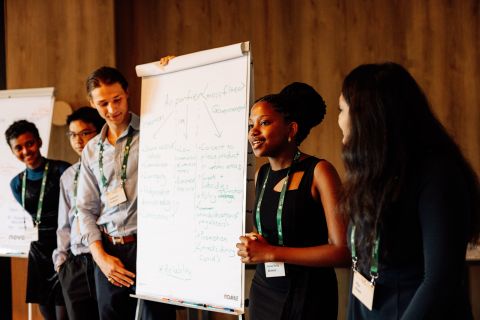
4. Create

5. Submit
Who Can Participate?
The challenge is open to students aged 14–18 across New Zealand, entering through a school or recognized youth or community organization, such as a marae, youth group, or conservation group.
- Projects must address an invasive species problem in New Zealand.
- Teams can be any size, from a small group to an entire class.
- Each entry must nominate up to three student representatives and one supervising adult.
- Schools and organizations may submit multiple projects.
- Projects must be student-led, with adult supervision.
Resources & Support
Everything You Need to Get Started
Registered teams will receive the full judging criteria, submission guidance, and access to additional support through LEAP, the Villars Institute's Learning and Education Activation Platform, where they can ask questions and receive expert advice.
Explore additional learning resources to help develop your project.

How to Live on Earth Education Channel

INVASIVA

Competitor Guidelines
Ready to Take Action?
Bring your team together, explore the challenges facing your environment, and show us what young people can achieve.
Registration takes just a few minutes and doesn't commit you to submitting a project. Everyone on your team is encouraged to register to receive updates and guidance.
Entries close 12 March 2027.
For any other questions reach out to invasive@villarsinstitute.org