- Check-in for guests @ Hotel VIU, Victoria Hotel, & Villars Palace
- Registration and badge pick-up @ Villars Palace

Villars Ocean Forum 2026
Villars Ocean Forum 2026
Villars Ocean Forum 2026
Villars Ocean Forum 2026
Villars Ocean Forum 2026
Welcome
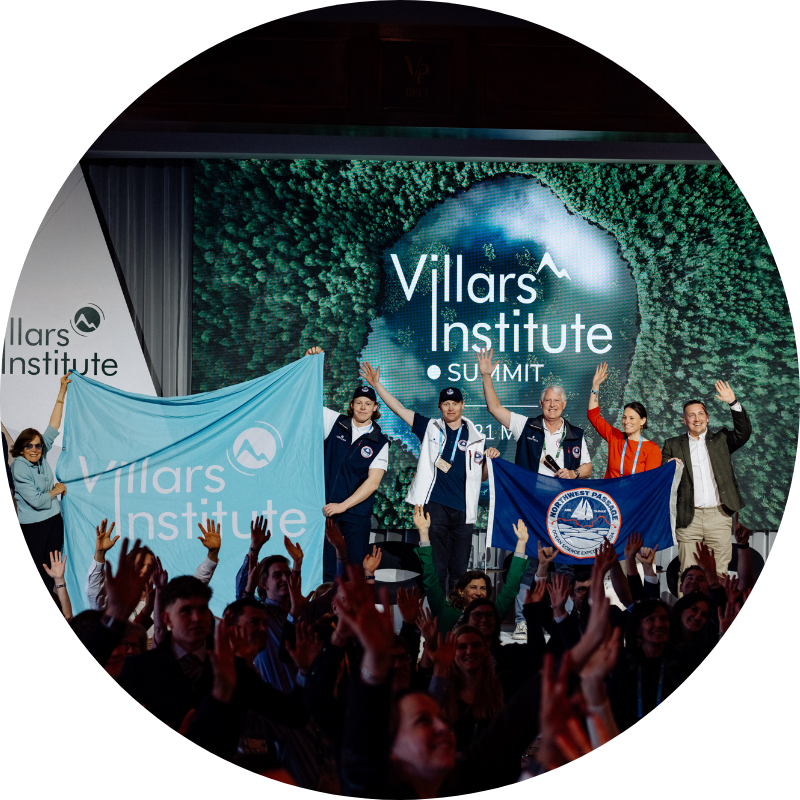
Bringing together over 150 leaders from science, business, policy, conservation, philanthropy, exploration, and storytelling, the Forum will explore bold, science-led solutions to safeguard our blue and white frontiers.The convening will be co-hosted by Dr. Sylvia Earle, Prof. Johan Rockström, Victoria Attwood-Scott and Keith Tuffley AM.
Afternoon
Introduction and objectives of the Villars Ocean Forum - Ground Zero for Planetary Tipping Points: Ocean, Poles & Glaciers.
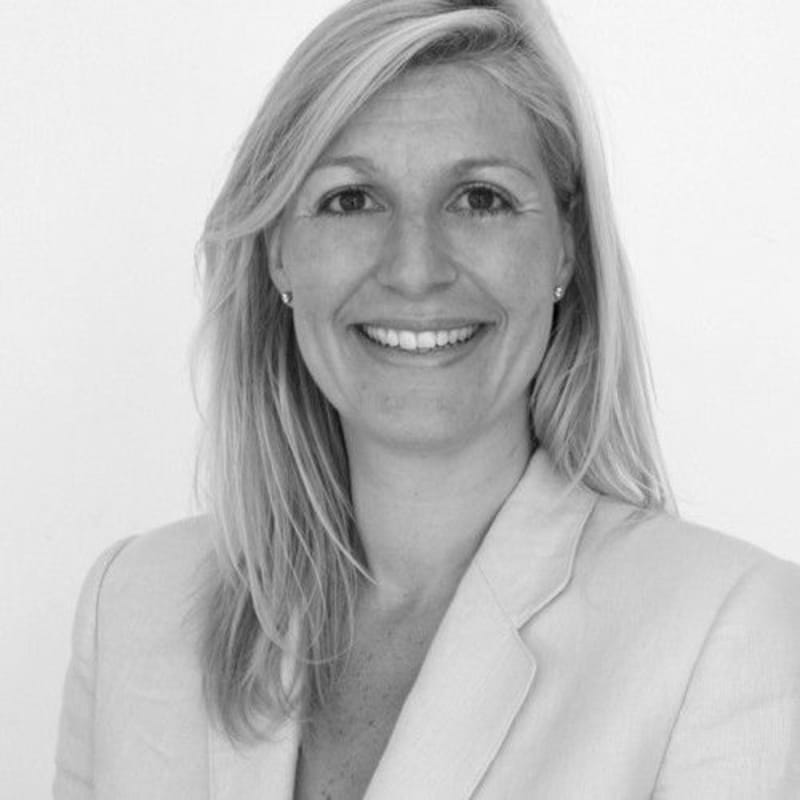
Victoria Attwood Scott
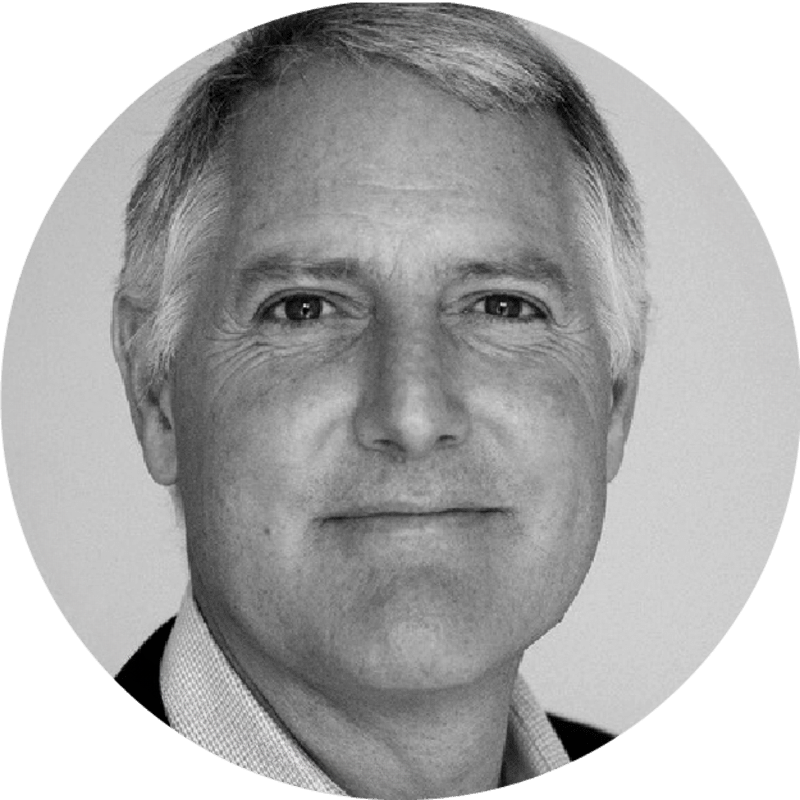
Keith Tuffley
The ocean, glaciers, and poles are central to Earth’s stability—and are now driving planetary risk. With 7 of 9 planetary boundaries already breached, including ocean acidification, this science briefing and interactive plenary will examine how accelerating cryosphere loss and ocean change are pushing Earth systems toward dangerous tipping points – and how today’s scientific, economic, political, societal, and technological shifts are changing the landscape for global resilience.
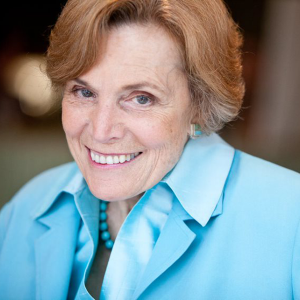
Sylvia Earle

Nik Gowing
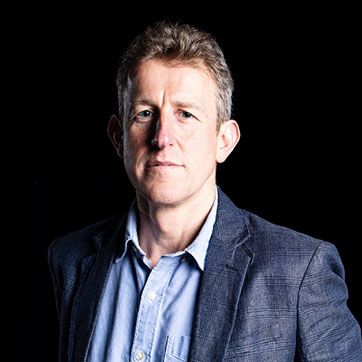
Tim Lenton
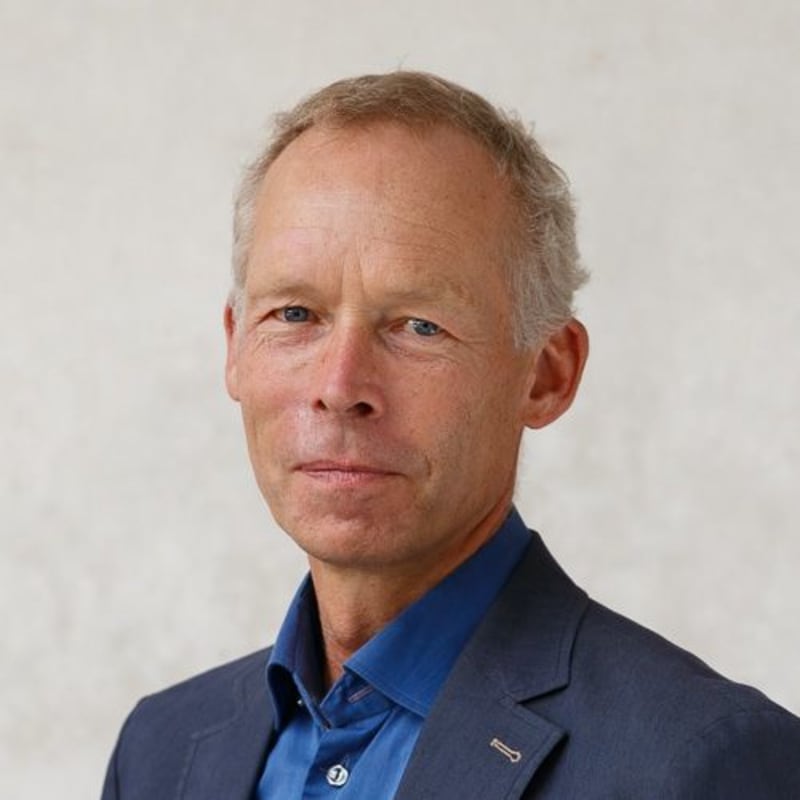
Johan Rockström
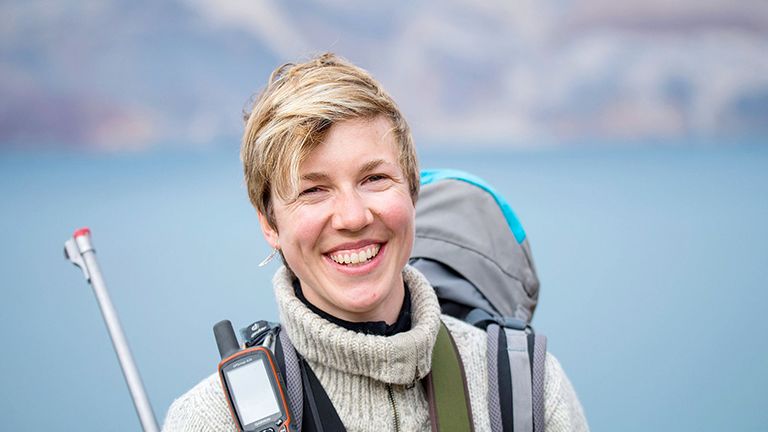
Heïdi Sevestre
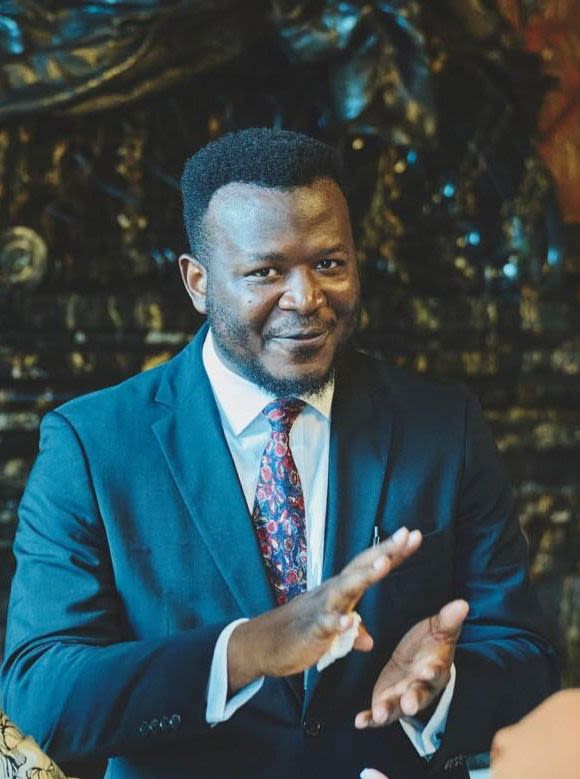
Chukwuebuka Edum
Session in Parallel
This session explores the latest advances in ocean, glacier and poles science — and where critical uncertainties remain. What breakthroughs in science and system dynamics are emerging, and what more must the Villars Ocean Community do to reach a turning point that delivers decisive gains for ocean, glaciers, and poles?
Tom Battin
Kat Bruce
Thomas Frölicher
Callum Roberts
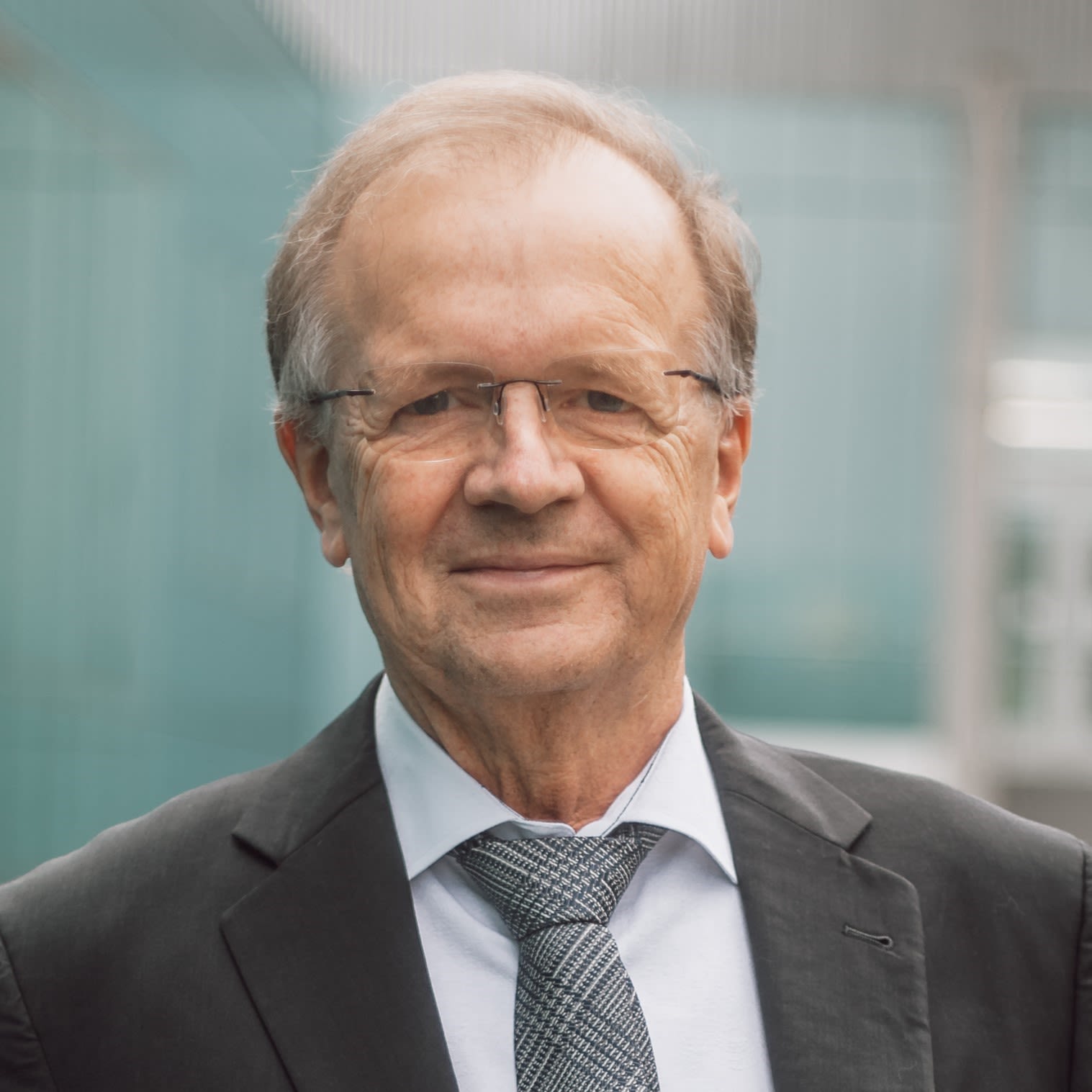
Peter Schlosser
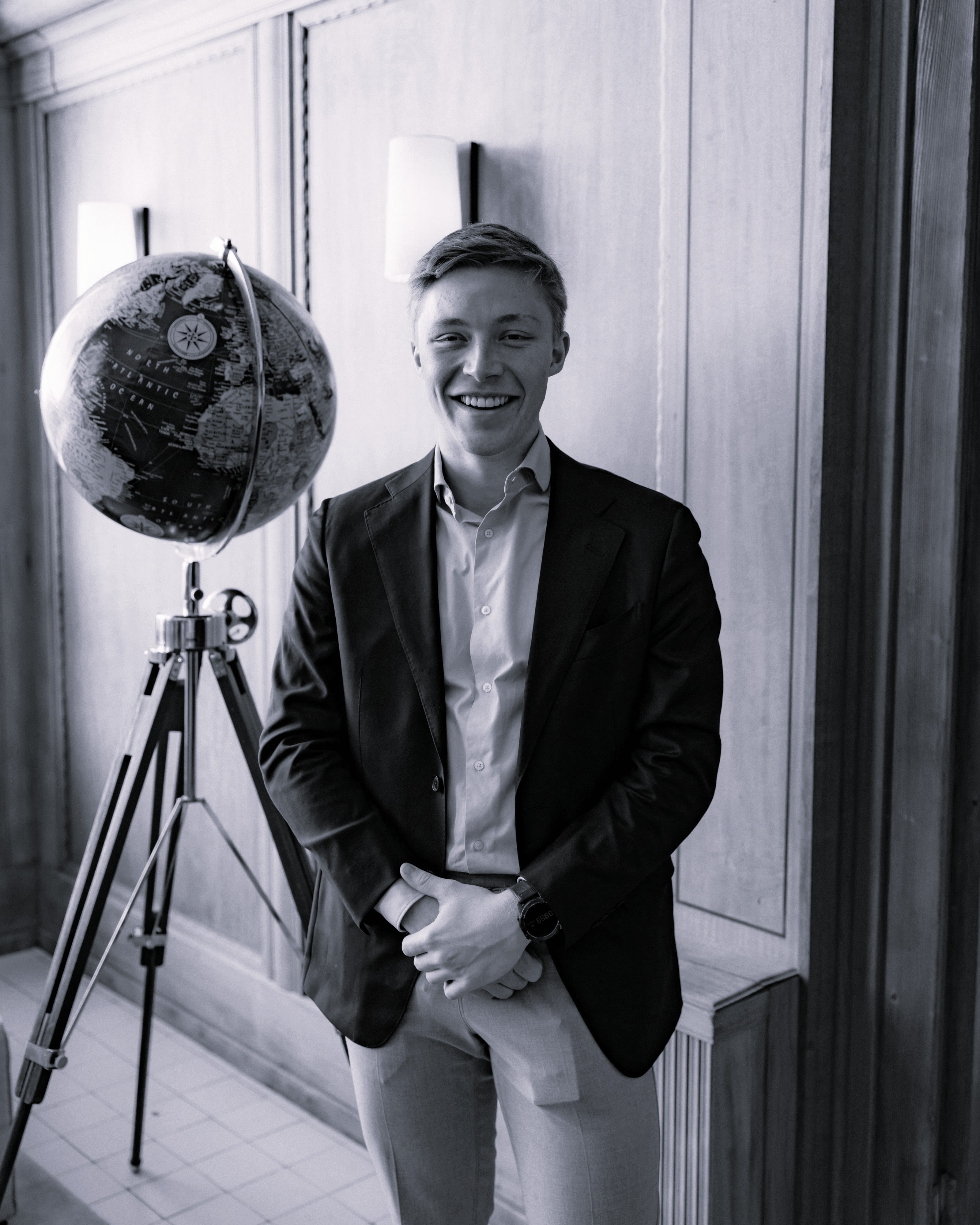
Jens Thomsen
This session explores where measurement and standards are already creating accountability for ocean, glacier, and polar change—and where they fall short. What breakthroughs in standards and measurement are emerging, and what more must the Villars Ocean Community do to reach a turning point that delivers decisive gains for ocean, glaciers, and poles?
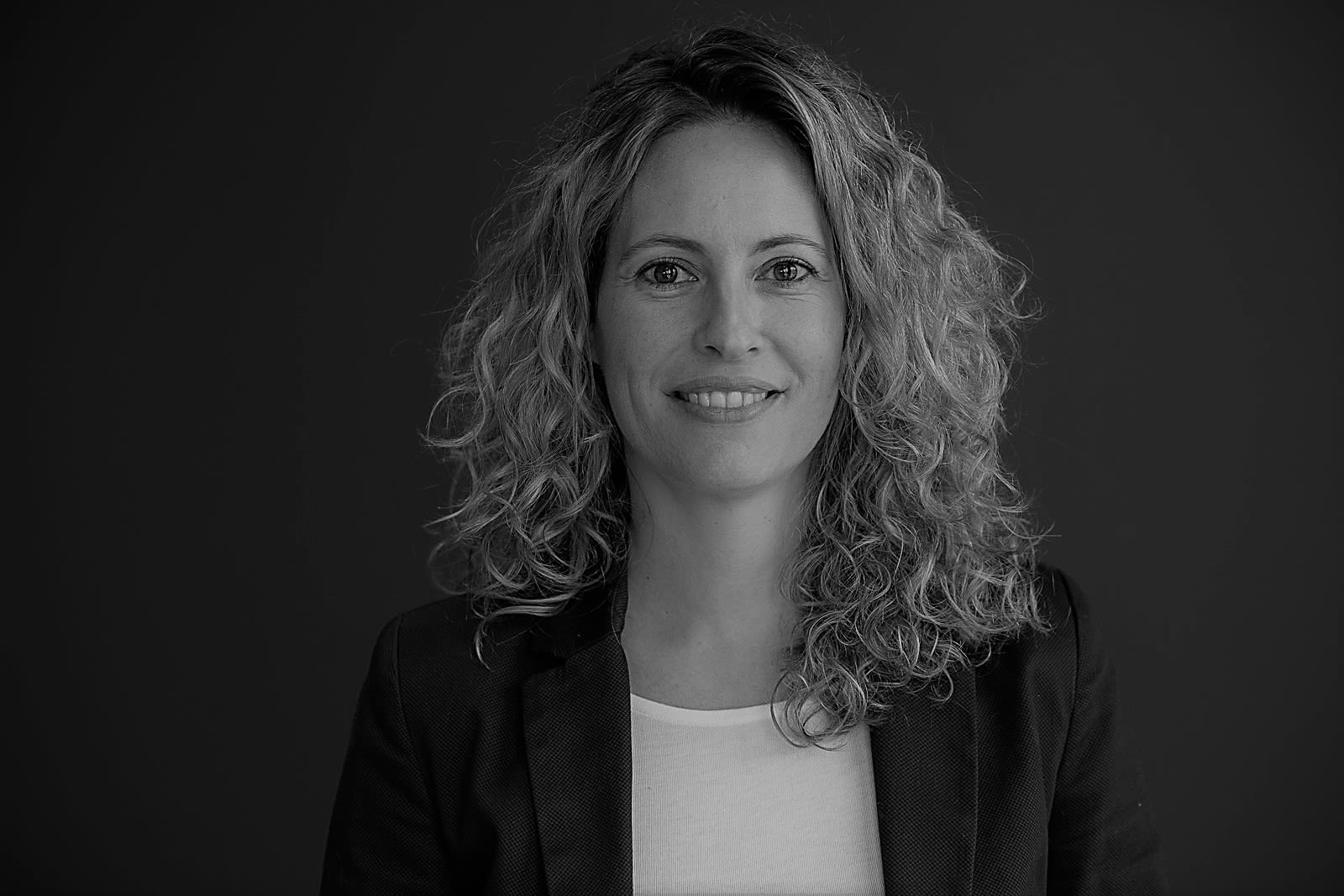
Noelia Garcia Nebra
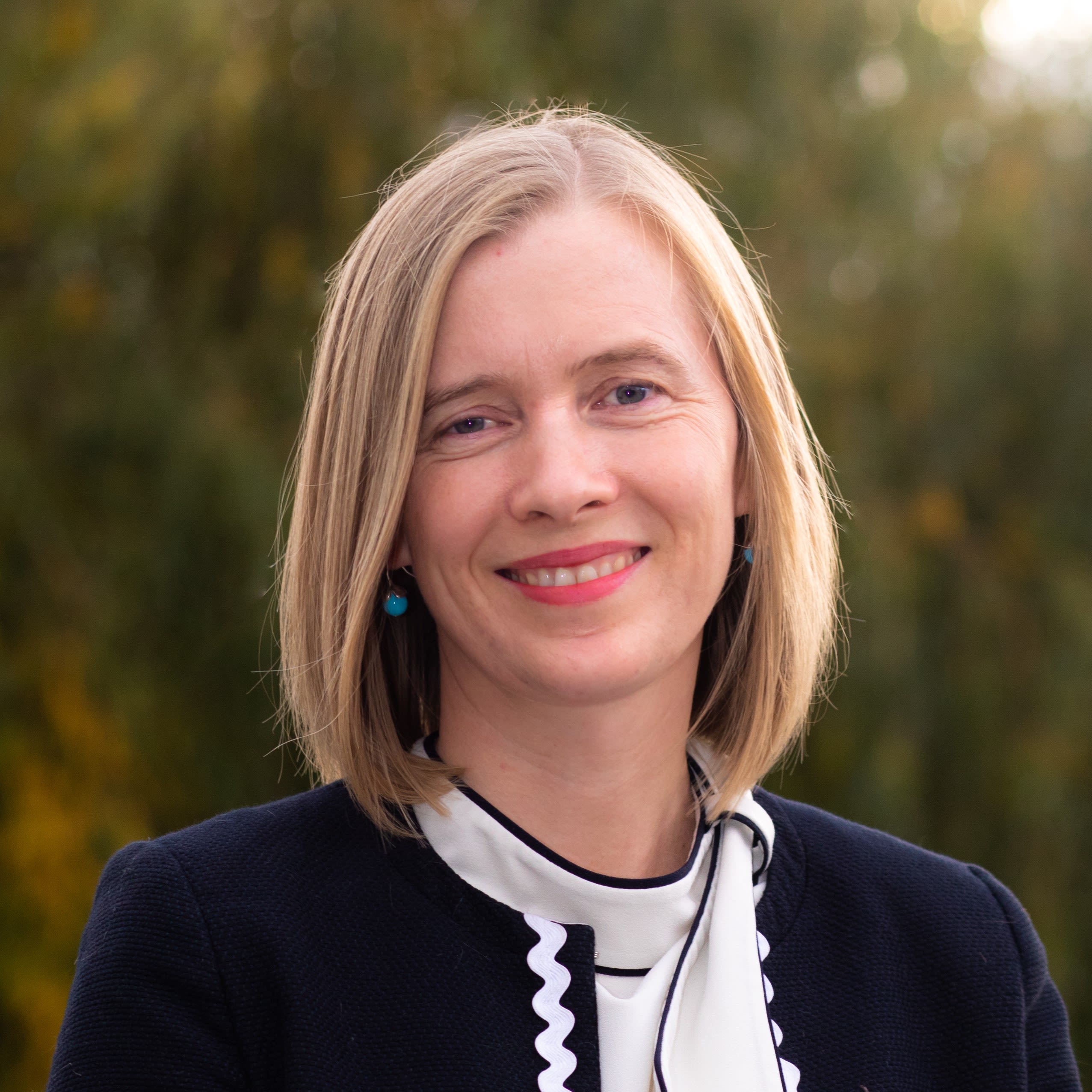
Emily Mckenzie
Heïdi Sevestre
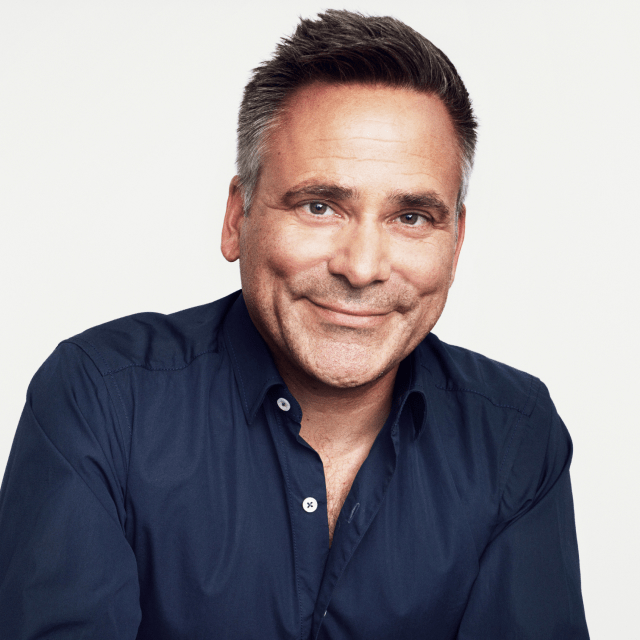
Mathias Wikström
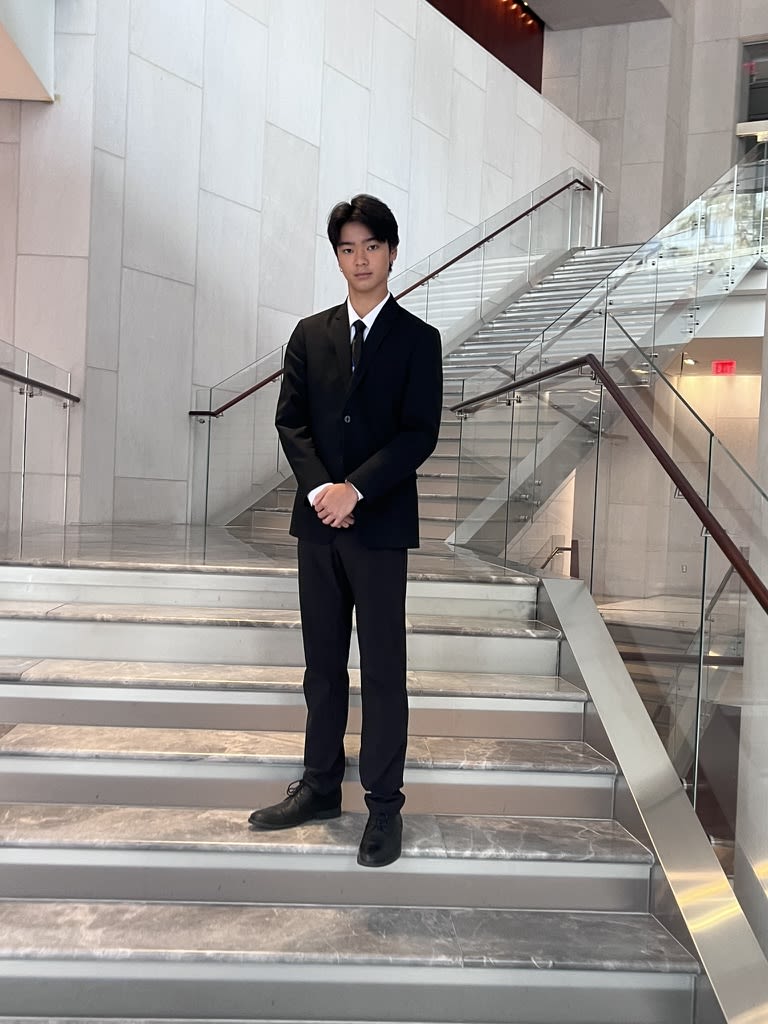
Eric Gee
This session explores where new data, analytics, and artificial intelligence are already improving detection, forecasting, and decision-making for ocean, glacier, and polar change—and where gaps persist. What breakthroughs in data intelligence are emerging, and what more must the Villars Ocean Community do to reach a turning point that delivers decisive gains for ocean, glaciers, and poles?
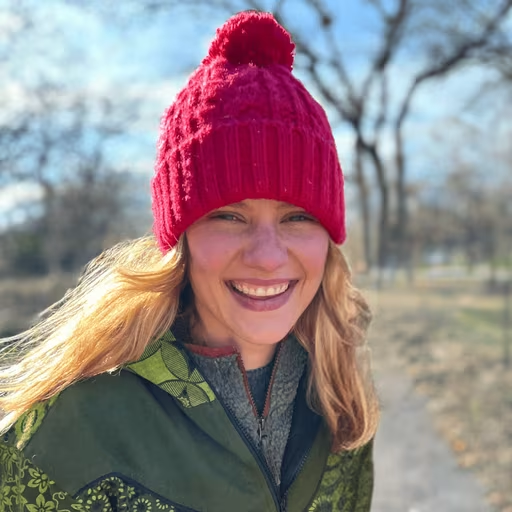
Chrissy Durkin
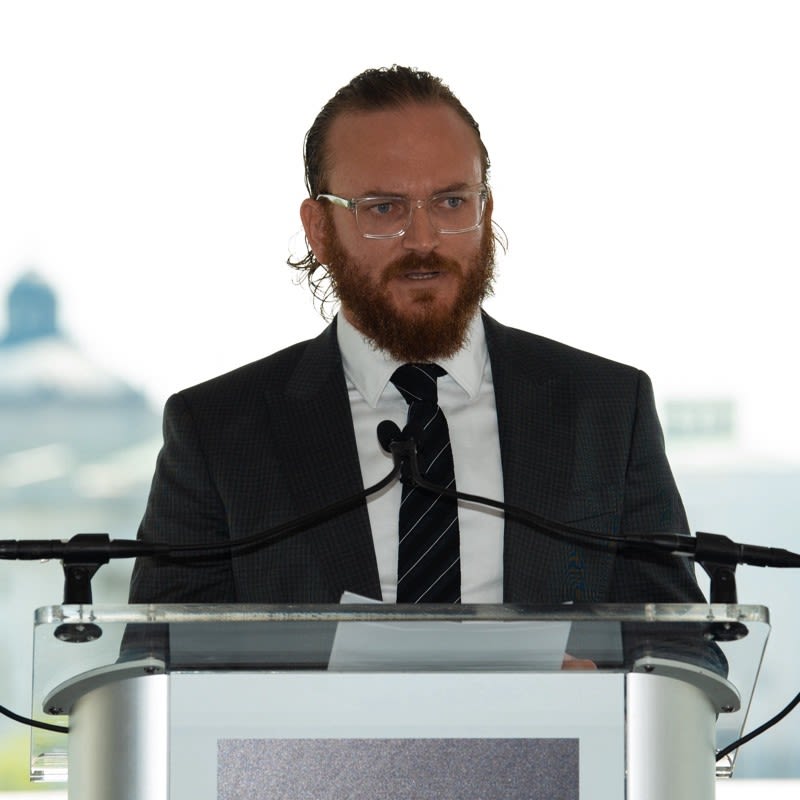
Peter Houlihan
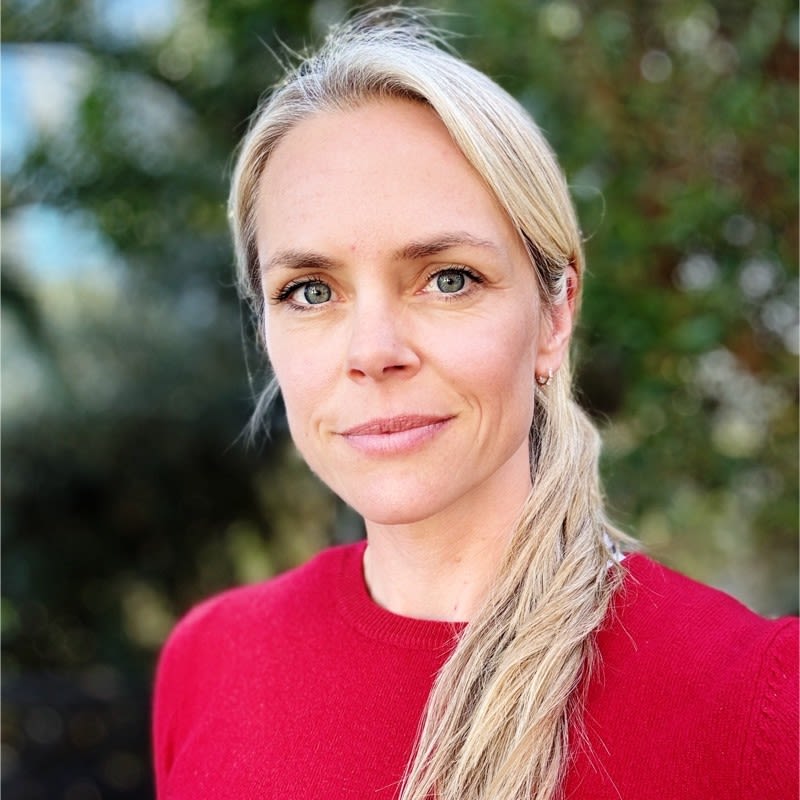
Anna Lerner
Everett Johnson
This session explores where institutions and partnerships are already stewarding knowledge to inform systemic decisions — and where trust and collaboration remain fragile. What breakthroughs in knowledge stewardship are emerging, and what more must the Villars Ocean Community do to reach a turning point that delivers decisive gains for ocean, glaciers, and poles?
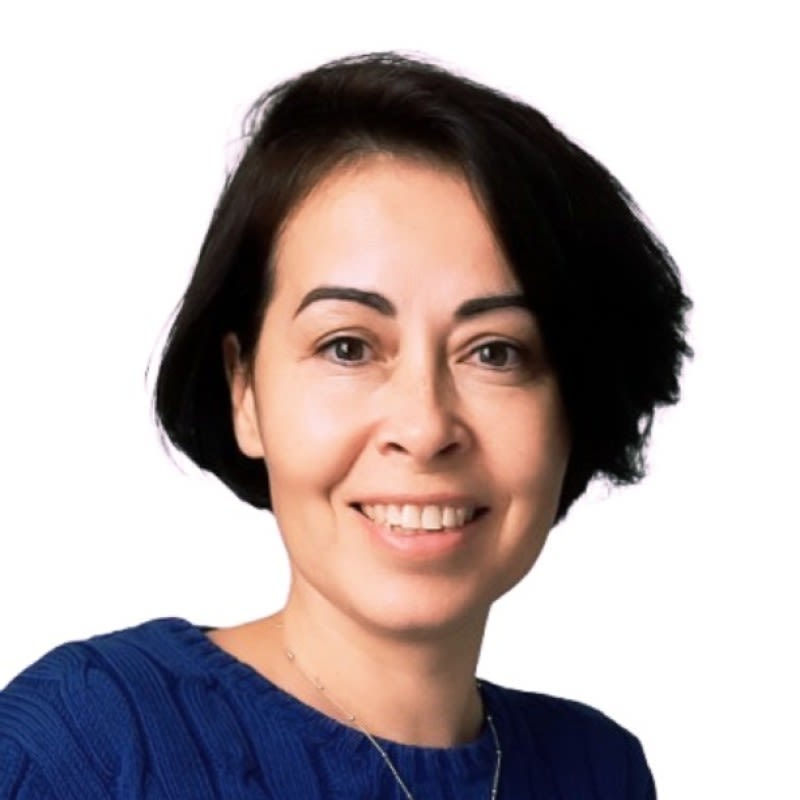
Céline Dubreuil-Degortes
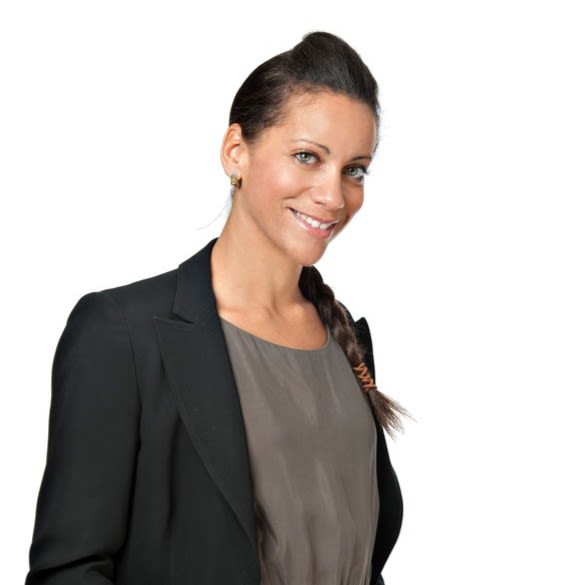
Minna Epps
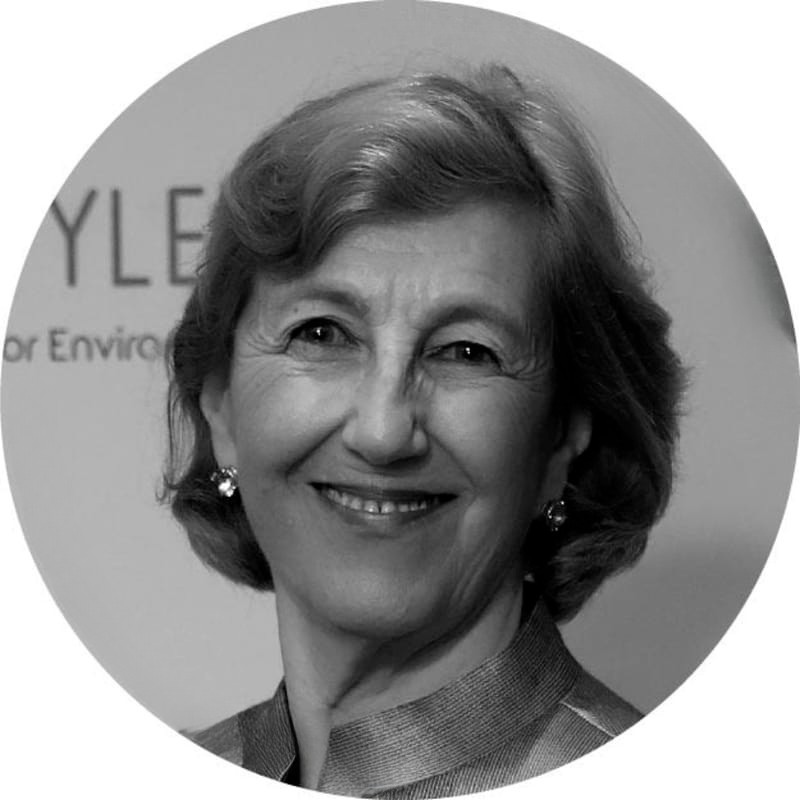
Julia Marton-Lefèvre
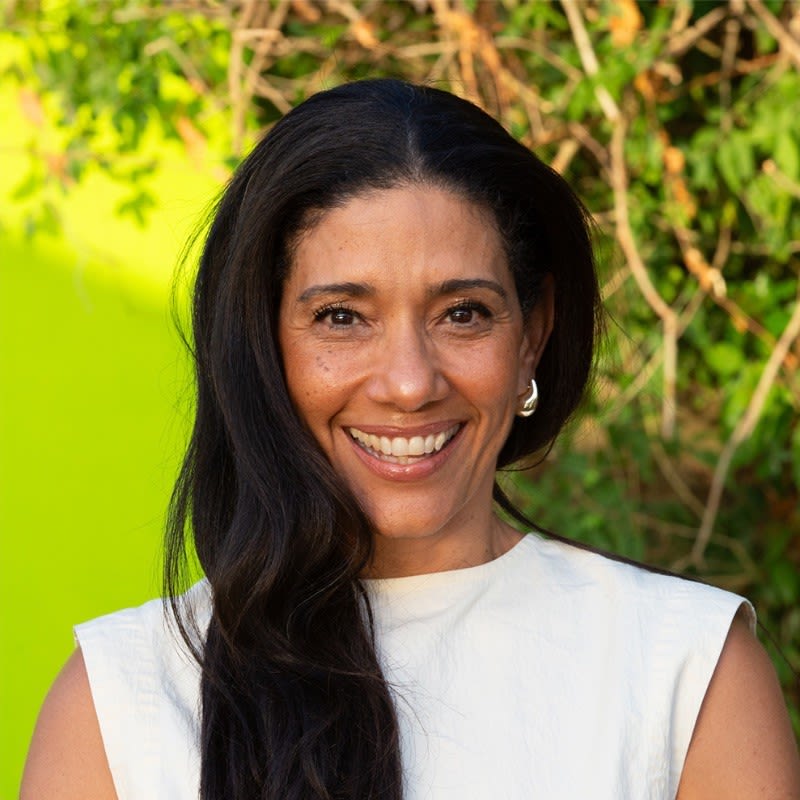
Ana K. Spalding
Kseniia Nikitina
A report back of the key insights and ideas that emerged from the Turning Points sessions:
- Ocean, Glaciers & Poles: Science & System Dynamics
- Ocean, Glaciers & Poles: Standards, Measurement & Accountability
- Ocean, Glaciers & Poles: AI & Data Intelligence
- Ocean, Glaciers & Poles: Science & Policy Stewardship
Mark Lynas
Ines Bächinger
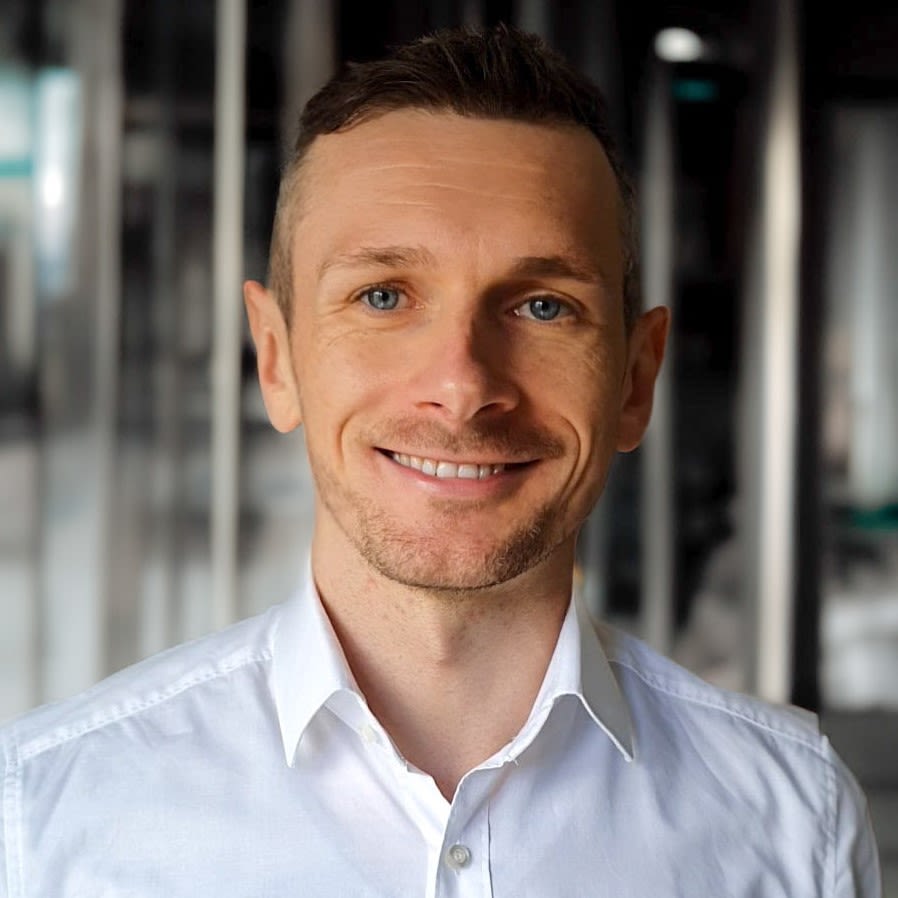
Jason Dey
The Tonga 2025 ocean science expedition brought scientists, explorers, and policy makers into one of the planet’s most remote ocean regions. This session celebrates the team behind the mission, highlighting how exploration, data, and collaboration come together at the frontlines—expanding knowledge, inspiring action, and reminding us why discovery still matters for ocean protection.

Arzucan "Zuzu" Askin
Kat Bruce
Sylvia Earle
Keith Tuffley
Ines Bächinger
Evening
This meal is prepared based on the recommendations of the EAT-Lancet Commission’s Planetary Health Diet, which provides scientific guidelines to ranges of different food groups that together constitute an optimal diet for human health and environmental sustainability.

Powered By