
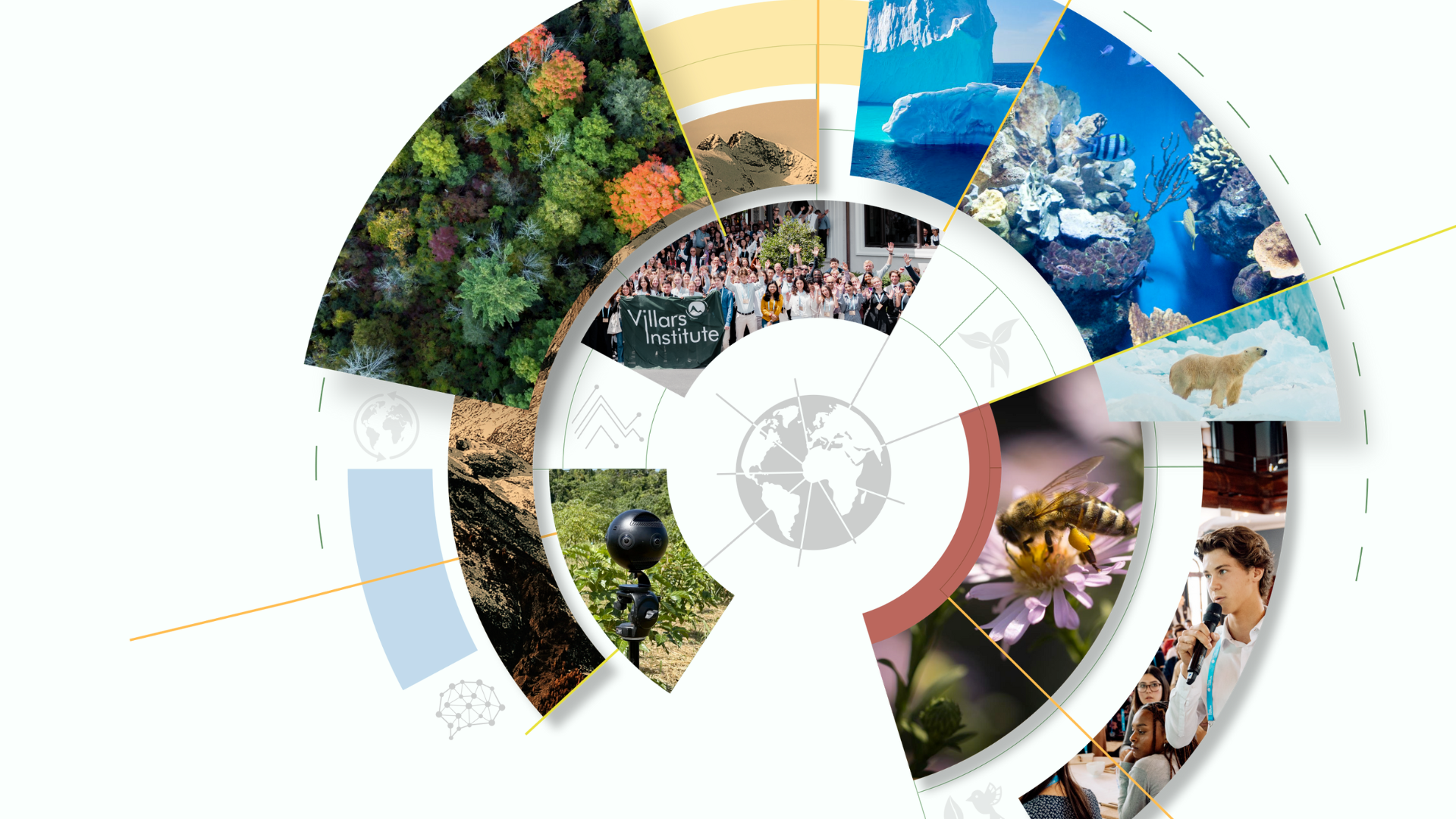
Global Issues Survey 2025-2026 — Mobilizing the Next Generation for Planetary Health
The Villars Institute’s annual Global Issues Survey captures the perspectives of young Villars Fellows on the global issues shaping their future and the future of the planet. Villars Fellows are aspiring young people from around the world, ages 13 and above, united by a commitment to learning and to creating positive, lasting change.
The survey explores how youth perceive major global issues, their confidence and capacity to contribute to planetary health, and the barriers that limit their agency. It also reveals where today’s education and learning systems must evolve to support youth in transforming awareness into action and building long-term systems leadership.

Key Findings
As the world becomes more complex, young people are redefining what it means to be ready for the future. The Global Issues Survey asked participants to rank topics by their relevance to education, careers, and daily life. Three clear signals emerge:
Systems thinking is the new leadership literacy. Youth see it as foundational to achieving their goals. Embedding systems thinking into school curricula is essential for building agency, navigating complexity, and sparking innovation.
Sustainability skills are career skills. Young people know these issues will shape both their personal and professional futures. Education and talent pipelines must reflect this rising demand.
Nature’s value is still overlooked. Despite rising sustainability awareness, young people continue to undervalue nature’s role in jobs, wellbeing, and community resilience. Education must reframe nature as a core economic and social asset.
AI is the top technology youth are eager to learn. Importantly, their focus goes beyond boosting productivity — they want to harness AI to promote planetary health.
Together, these insights signal a major shift: education must evolve from transferring knowledge to cultivating the mindsets and capabilities needed to navigate interdependence, shape sustainable innovation, and reconnect with the natural systems that support life and livelihoods.


To explore the full set of insights, we invite you to read the complete Global Issues Survey 2025–2026 report.

