
Villars Academy: Himalayas
Villars Academy: Himalayas
Villars Academy: Himalayas
Villars Academy: Himalayas
Villars Academy: Himalayas
Villars Academy: Himalayas
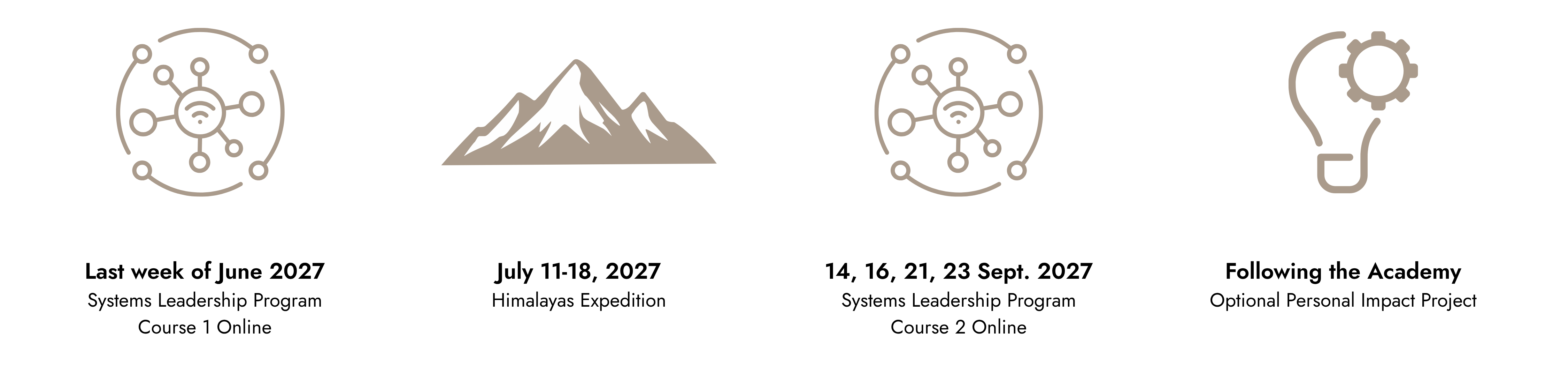
Ladakh, India | 11-18 July, 2027
An immersive experiential learning journey exploring the intersection of energy access, environmental resilience, culture, and community development in the Indian Himalayas.
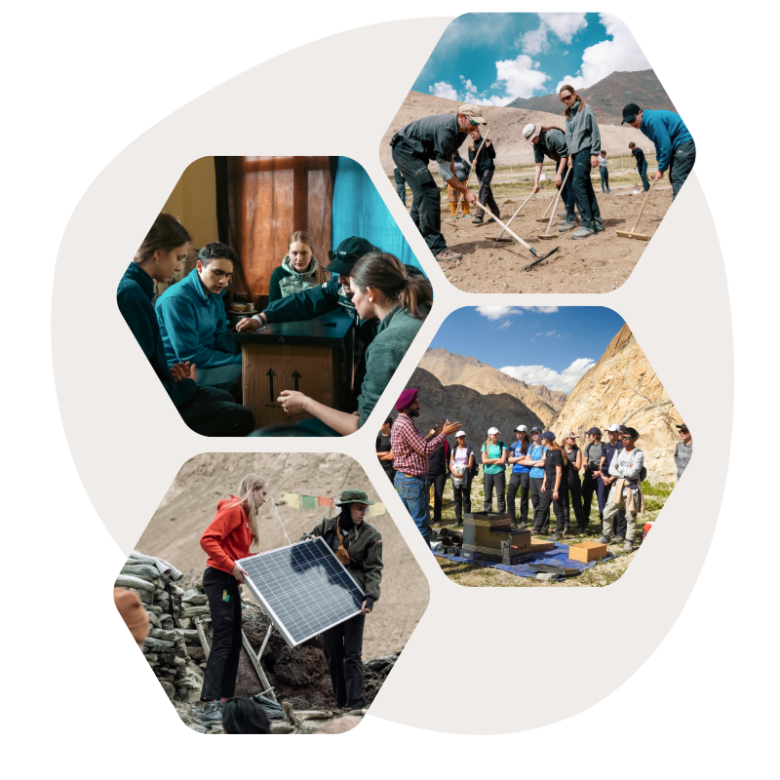
Participants will work alongside local communities and practitioners to better understand how interconnected systems shape everyday life — and how meaningful change happens in practice.
From solar energy initiatives to village immersion and reflective learning, Villars Academy: Himalayas is designed to cultivate the next generation of systems leaders ready to drive meaningful change.
Program timeline
program details
Location: Ladakh, Indian Himalayas
Dates: 11-18 July, 2027
Participants: For educators
Program Fee: CHF 2,500 per participant
A high-impact experiential learning journey for educators seeking deeper engagement with global challenges, systems thinking, and leadership development.

Meet the academy leader
Jaideep Bansal
Jaideep Bansal is an environmental entrepreneur and CEO of GHE, an award-winning organization advancing sustainable development across remote Himalayan communities.
His work has impacted more than one million lives and has been recognized globally, including through the UN Climate Action Award and acknowledgements from organizations such as the G20, UNWTO, and WTTC.
A graduate of IIT and a World Economic Forum Young Global Leader, Jaideep brings deep expertise in sustainable development, systems change, and community-driven innovation.
In partnership with


