
Slices test page
Slices test page
Slices test page
Slices test page
Slices Test Page
Slices Test Page
















Upcoming Events
Expand to view 2 upcoming Events
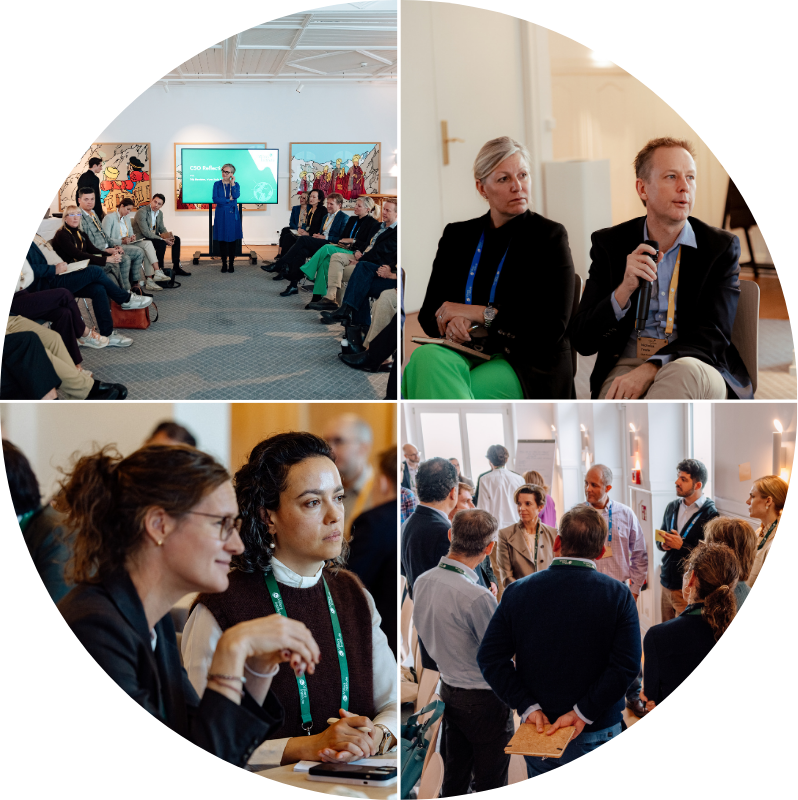
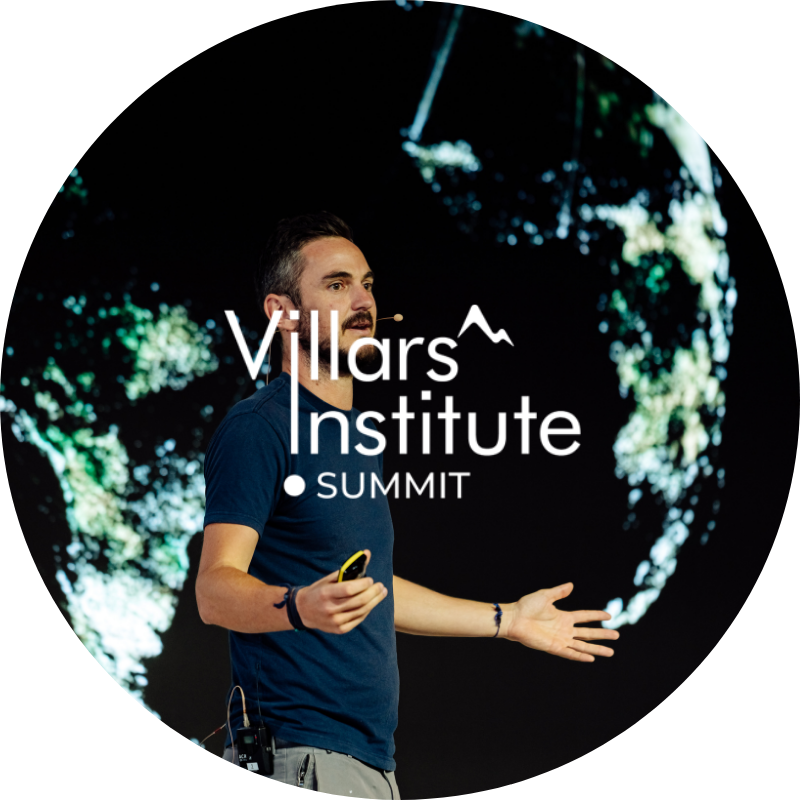
Past Events
Expand to view 18 past Events

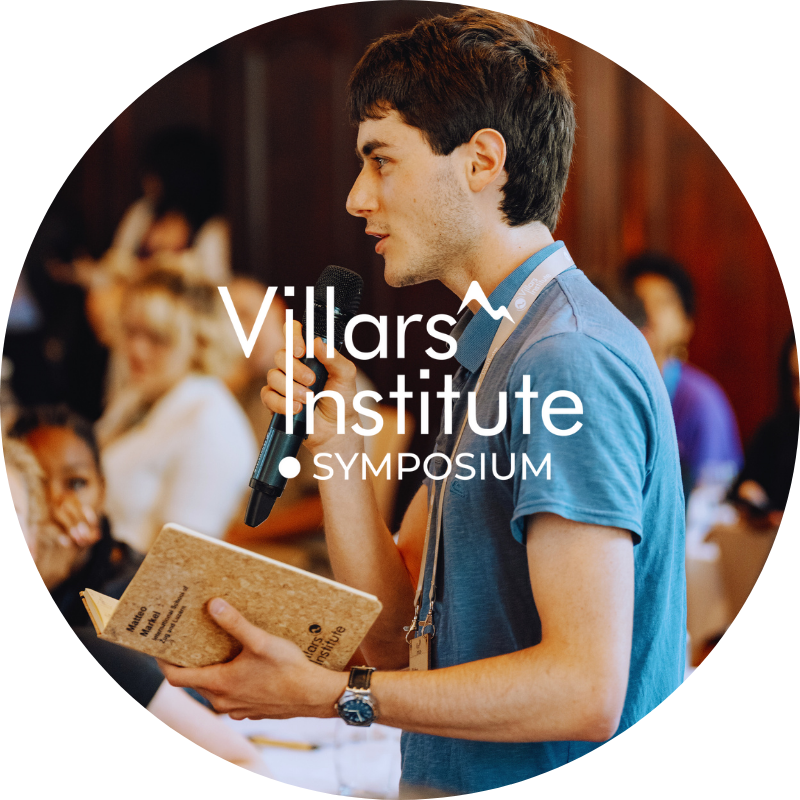
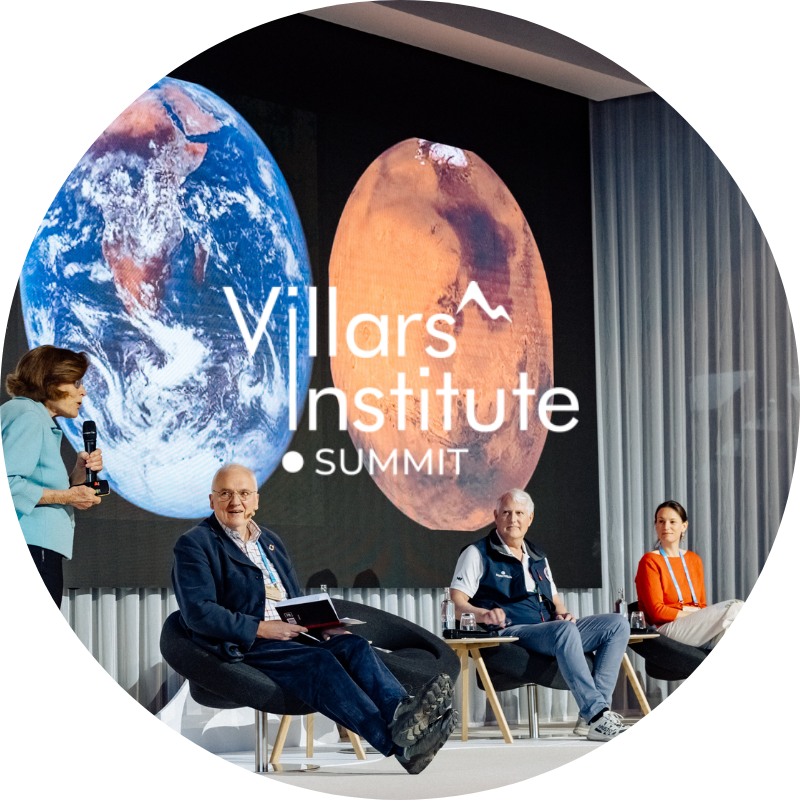


Upcoming Courses & Learning Programs

Certification in Systems Leadership
Why Systems Leadership?
Communities, companies, and countries are increasingly confronted by systemic changes that are either exponential or existential in nature. Artificial intelligence and climate change are two prime examples that will lead to deep, lasting change across multiple levels of society. In both cases, current and future leaders will need to anticipate how underlying structures, processes, and behaviors will change within various impacted systems. Systems thinking can help one better understand these systems, help to identify and solve complex problems holistically and hence lead the system more effectively. System leaders need to consider how various elements within a system are interconnected, allowing them to create solutions that account for the broader context, user needs, and long-term impacts of their decisions.
The World Economic Forum’s Future of Jobs Report (2023) ranked systems thinking among the top ten skills judged to be increasing in importance in the next five years. Systems thinking ranked above Artificial Intelligence/Big Data according to the 803 companies surveyed that collectively employ more than 11 million workers in 45 economies.
Systems leadership is essential for individuals and organizations confronted by interconnected challenges in a rapidly changing world. By fostering collaboration across diverse teams and stakeholders, systems leadership promotes innovative, sustainable solutions to complex problems. It emphasizes adaptability, holistic thinking, and the ability to align multiple perspectives towards shared goals. Systems leadership strengthens one’s capacity to drive impact, navigate uncertainty, and create long-term value for the people and communities you serve, within an increasingly interconnected global environment.
What will participants learn?
This Certificate in Systems Leadership program is structured in two parts: Course 1 and Course 2.
Course 1 is focused on the foundations of systems thinking and its relevance in a fast-changing world.
Course 2 is centered on practicing systems leadership by learning how to engage key stakeholders within a system.
Learners must complete Course 1 before enrolling in Course 2. Each course comes with micro-certification verifying specific skills and key competencies related to navigating systems change. Completion of both courses results in a Certificate of Systems Leadership from the Villars Institute.

Course 1 - The Foundations of Systems Thinking - Saturday Sessions 20h - 22h CET (Group A)
In Course 1, learners will:
Understand how complex systems work and the value of systems thinking
Learn how to decompose systems and analyze interactions within them
Identify emergent properties and understand complex causality and feedback loops
Acquire methods and tools to identify and navigate complex, adaptive problems
Learn how to apply a systems-thinking approach for more effective problem-solving
Course 1 will be taught across two modules:
Module 1: Systems Thinking Essentials
Module 2: Navigating Complex Problems
Partners:

Course 1 - The Foundations of Systems Thinking - Saturday Sessions 20h - 22h CET (Group B)
In Course 1, learners will:
Understand how complex systems work and the value of systems thinking
Learn how to decompose systems and analyze interactions within them
Identify emergent properties and understand complex causality and feedback loops
Acquire methods and tools to identify and navigate complex, adaptive problems
Learn how to apply a systems-thinking approach for more effective problem-solving
Course 1 will be taught across two modules:
Module 1: Systems Thinking Essentials
Module 2: Navigating Complex Problems
Partners:
Course 1 - The Foundations of Systems Thinking - Friday Sessions 5pm - 7pm CET
In Course 1, learners will:
Understand how complex systems work and the value of systems thinking
Learn how to decompose systems and analyze interactions within them
Identify emergent properties and understand complex causality and feedback loops
Acquire methods and tools to identify and navigate complex, adaptive problems
Learn how to apply a systems-thinking approach for more effective problem-solving
Course 1 will be taught across two modules:
Module 1: Systems Thinking Essentials
Module 2: Navigating Complex Problems
Partners:
Course 1 - The Foundations of Systems Thinking - Thursday Sessions 11h - 13h CET
In Course 1, learners will:
Understand how complex systems work and the value of systems thinking
Learn how to decompose systems and analyze interactions within them
Identify emergent properties and understand complex causality and feedback loops
Acquire methods and tools to identify and navigate complex, adaptive problems
Learn how to apply a systems-thinking approach for more effective problem-solving
Course 1 will be taught across two modules:
Module 1: Systems Thinking Essentials
Module 2: Navigating Complex Problems
Partners:
Events, Posts, Articles & Videos

Systems Leadership: Why it matters for our future - The Villars Institute
It’s easy to be cynical about the idea of “changing the system”. When you see how the structures of democratic societies are failing to take seriously the...

Bridging Generations: Montreux Jazz Festival Spotlight
The Villars Institute is collaborating with Montreux Jazz Festival to promote young musical talent. Here’s all you need to know

How Carbon Forestry Can Preserve Biodiversity
Global warming and biodiversity loss are two of the biggest crises facing our planet. The two are interlinked, though treated as separate issues by the international community: global warming is the focus of the 2022 United Nations Climate Change Conference (COP 27) in November while biodiversity loss is the focus of the 2022 UN Biodiversity Conference (COP 15) a month later. Although science has shown that climate change and biodiversity are interdependent, governments, business and civil society still struggle to address them holistically. One field, however, offers a credible opportunity to address them together if done properly: carbon forestry.
Why Does the Energy Transition Matter for Everyone?
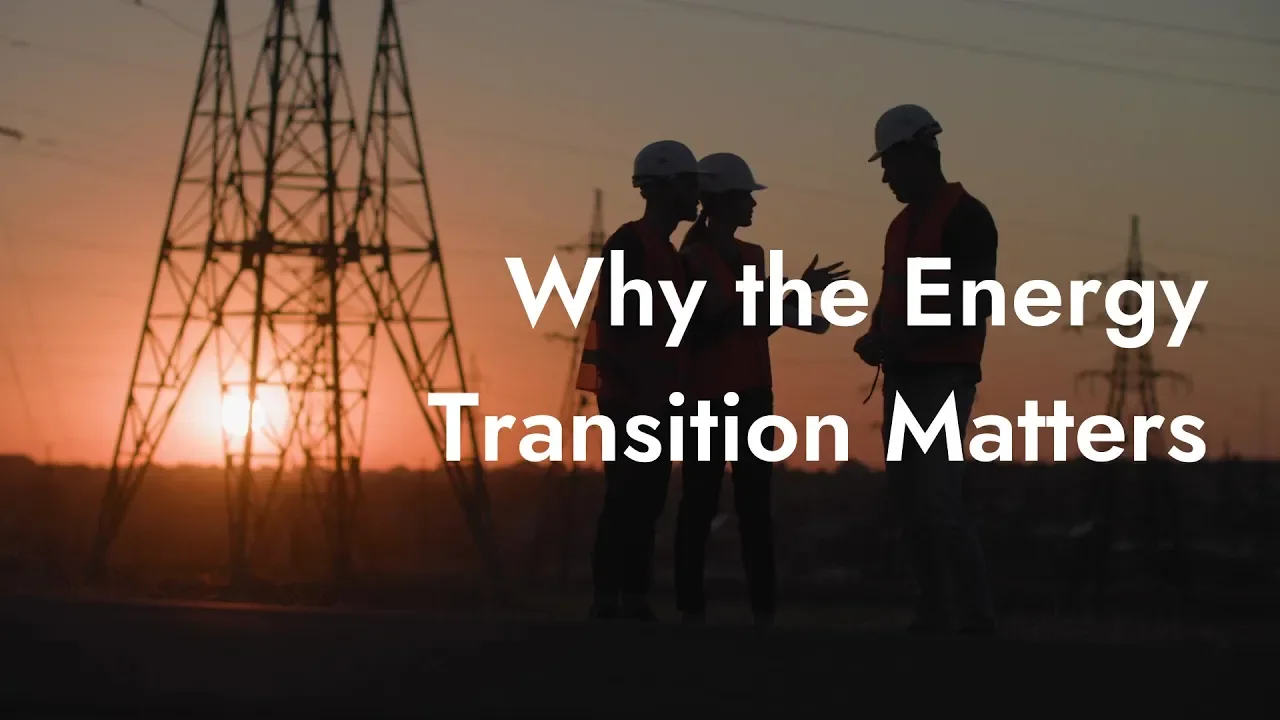
In our fight against #ClimateChange and the #EnergyCrisis, the #EnergyTransition offers a promising solution. However, challenges such as financing and establishing effective policies in #developing countries hinder our ability to unlock and scale the full potential of #renewableenergy.
Jim Watson, Director of the Institute for Sustainable Resources at UCL and Professor of Energy Policy, emphasizes the critical need for #internationalcollaboration among #scientists, #economists, and #policyexperts. In this insightful discussion, he highlights how these diverse fields can work together to shift political and economic interests from #fossilfuels toward renewable energy sources.
Watson explains that by aligning efforts across disciplines, we can create a more robust framework for supporting sustainable energy initiatives. This collaboration is essential for overcoming existing barriers and fostering a transition that prioritizes environmental integrity and social equity.
Join us as Jim Watson outlines the steps necessary for making meaningful progress toward a sustainable future, where renewable energy can thrive and play a central role in addressing global challenges.

Villars Institute Summit 2024
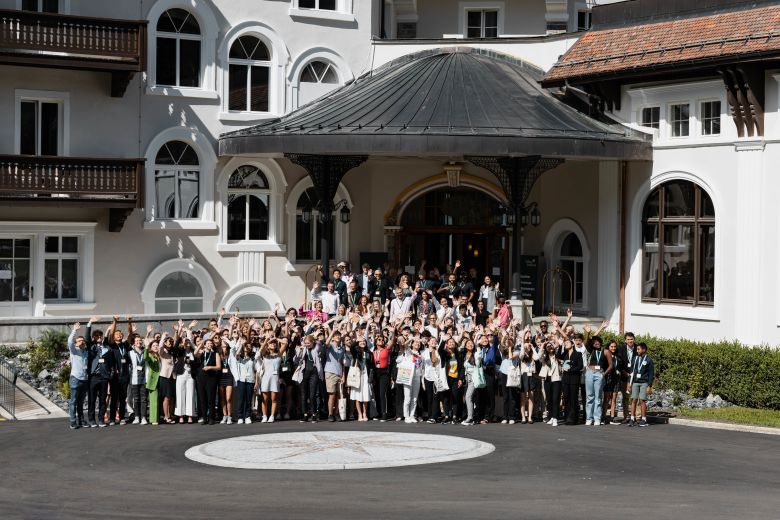
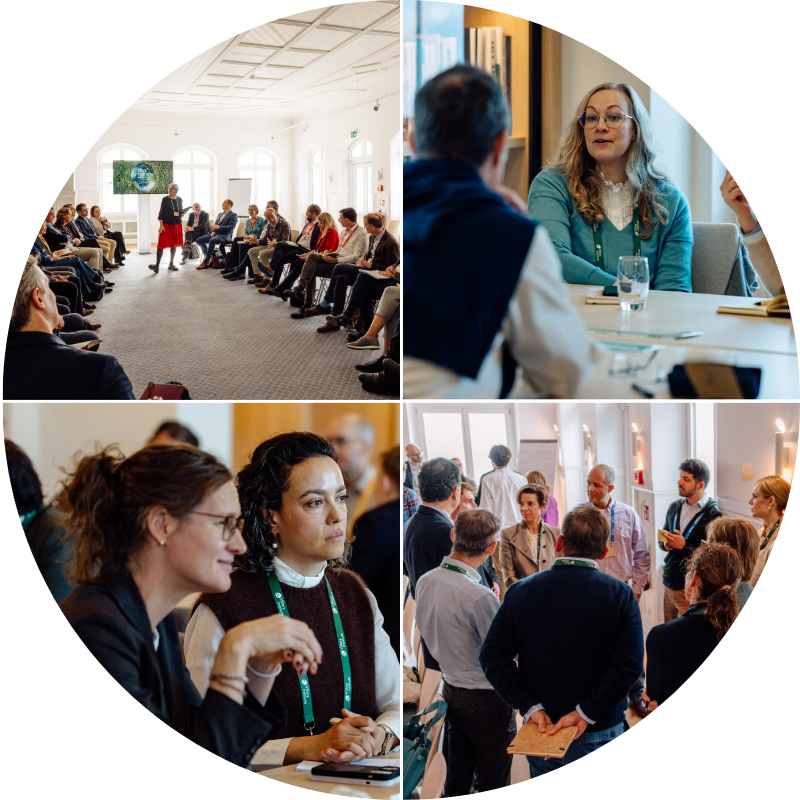
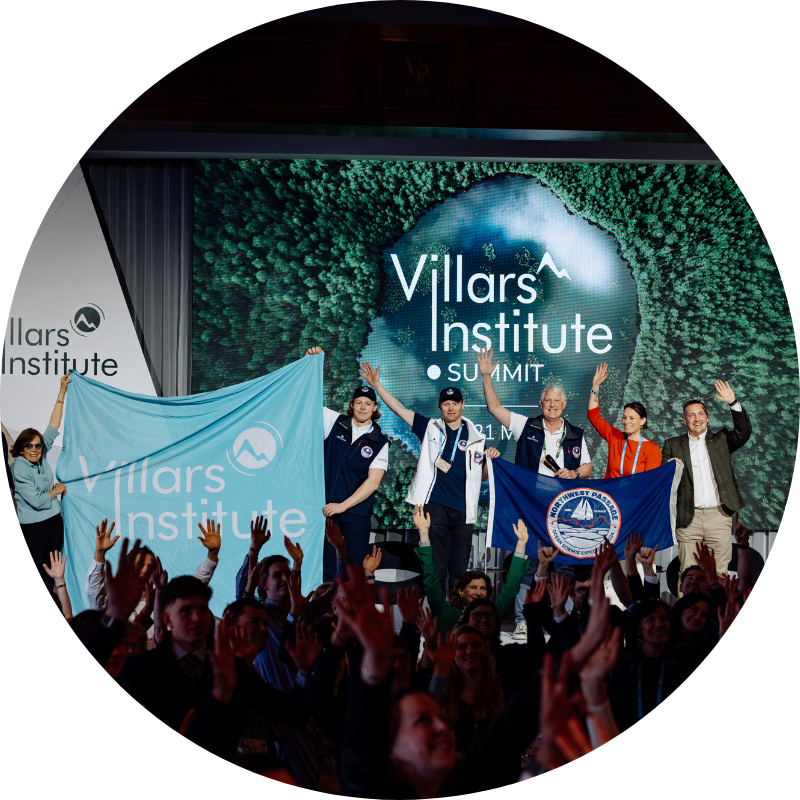
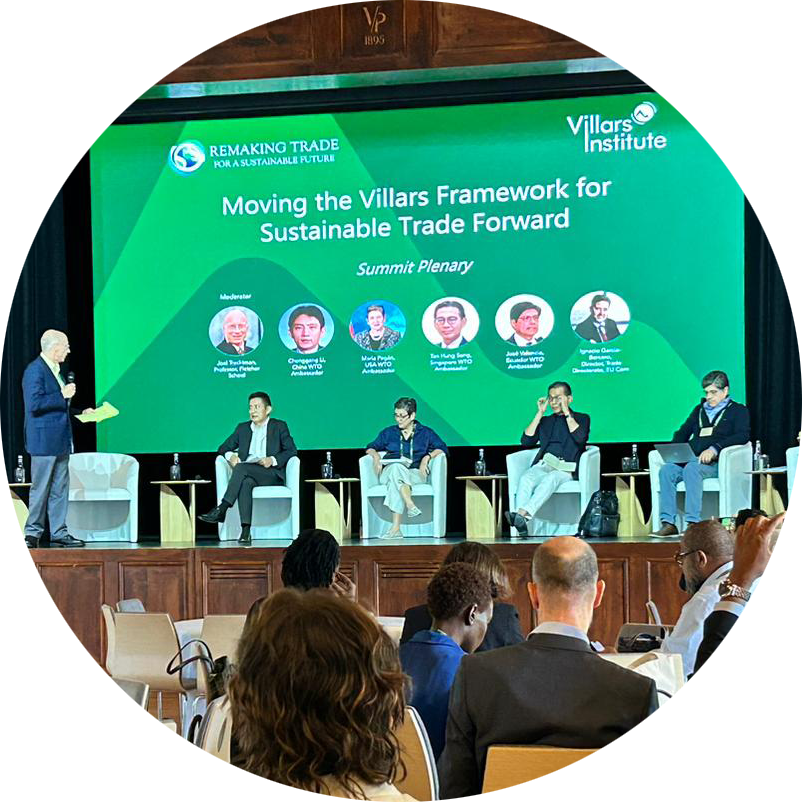
The Villars Institute Summit 2024 took place on 20-23 March at the Villars Palace Hotel with over 280 experts, entrepreneurs, investors, and philanthropists. The aim of the Summit is to address the climate and biodiversity crises holistically through interdisciplinary cooperation to accelerate systemic change.
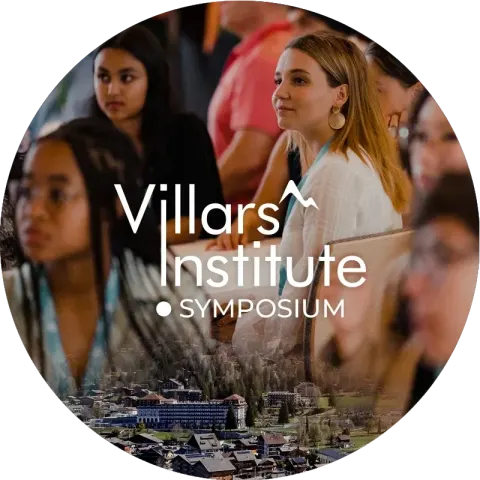
Villars Symposium 2023
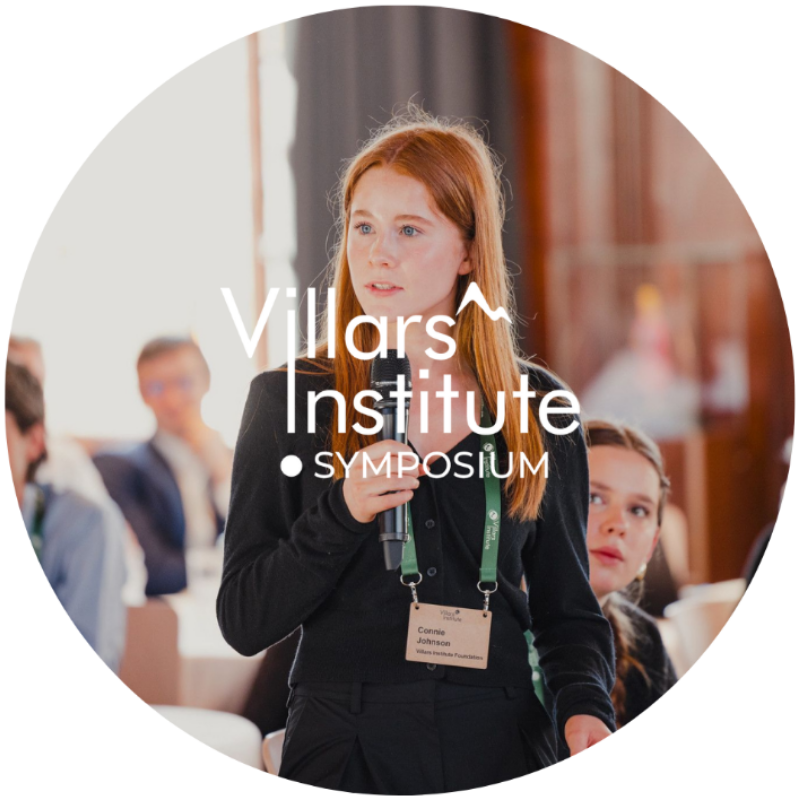
The Villars Symposium will take place on 14–17 June at the Villars Palace Hotel, bringing together over 200 Villars Fellows alongside the Institute’s partners, leading experts and innovators.. The aim of the Symposium is to initiate the Fellows’ lifelong journey as systems leaders through interdisciplinary learning, intergenerational collaboration and exposure to real-world challenges.
Partners:

Programs, Courses, Events, Articles, Posts & Videos
Certification in Systems Leadership
Why Systems Leadership?
Communities, companies, and countries are increasingly confronted by systemic changes that are either exponential or existential in nature. Artificial intelligence and climate change are two prime examples that will lead to deep, lasting change across multiple levels of society. In both cases, current and future leaders will need to anticipate how underlying structures, processes, and behaviors will change within various impacted systems. Systems thinking can help one better understand these systems, help to identify and solve complex problems holistically and hence lead the system more effectively. System leaders need to consider how various elements within a system are interconnected, allowing them to create solutions that account for the broader context, user needs, and long-term impacts of their decisions.
The World Economic Forum’s Future of Jobs Report (2023) ranked systems thinking among the top ten skills judged to be increasing in importance in the next five years. Systems thinking ranked above Artificial Intelligence/Big Data according to the 803 companies surveyed that collectively employ more than 11 million workers in 45 economies.
Systems leadership is essential for individuals and organizations confronted by interconnected challenges in a rapidly changing world. By fostering collaboration across diverse teams and stakeholders, systems leadership promotes innovative, sustainable solutions to complex problems. It emphasizes adaptability, holistic thinking, and the ability to align multiple perspectives towards shared goals. Systems leadership strengthens one’s capacity to drive impact, navigate uncertainty, and create long-term value for the people and communities you serve, within an increasingly interconnected global environment.
What will participants learn?
This Certificate in Systems Leadership program is structured in two parts: Course 1 and Course 2.
Course 1 is focused on the foundations of systems thinking and its relevance in a fast-changing world.
Course 2 is centered on practicing systems leadership by learning how to engage key stakeholders within a system.
Learners must complete Course 1 before enrolling in Course 2. Each course comes with micro-certification verifying specific skills and key competencies related to navigating systems change. Completion of both courses results in a Certificate of Systems Leadership from the Villars Institute.
Course 1 - The Foundations of Systems Thinking - Thursday Sessions 11h - 13h CET
In Course 1, learners will:
Understand how complex systems work and the value of systems thinking
Learn how to decompose systems and analyze interactions within them
Identify emergent properties and understand complex causality and feedback loops
Acquire methods and tools to identify and navigate complex, adaptive problems
Learn how to apply a systems-thinking approach for more effective problem-solving
Course 1 will be taught across two modules:
Module 1: Systems Thinking Essentials
Module 2: Navigating Complex Problems
Partners:
Systems Leadership: Why it matters for our future - The Villars Institute
It’s easy to be cynical about the idea of “changing the system”. When you see how the structures of democratic societies are failing to take seriously the...

Empowering future systems leaders
The Villars Institute was established to accelerate the transition to net zero emissions and to improve the health of the planet. It is an ambitious goal, but it can be achieved by bringing together exceptional people from all generations to work together. Young people have the most at stake when it comes to the future of the planet. The impact of climate change, biodiversity loss and environmental degradation will be felt mostly by the Net Zero Generation, the first to be born entirely in the 21st Century and expected to live their lives with net zero carbon emissions.
Why Does the Energy Transition Matter for Everyone?
In our fight against #ClimateChange and the #EnergyCrisis, the #EnergyTransition offers a promising solution. However, challenges such as financing and establishing effective policies in #developing countries hinder our ability to unlock and scale the full potential of #renewableenergy.
Jim Watson, Director of the Institute for Sustainable Resources at UCL and Professor of Energy Policy, emphasizes the critical need for #internationalcollaboration among #scientists, #economists, and #policyexperts. In this insightful discussion, he highlights how these diverse fields can work together to shift political and economic interests from #fossilfuels toward renewable energy sources.
Watson explains that by aligning efforts across disciplines, we can create a more robust framework for supporting sustainable energy initiatives. This collaboration is essential for overcoming existing barriers and fostering a transition that prioritizes environmental integrity and social equity.
Join us as Jim Watson outlines the steps necessary for making meaningful progress toward a sustainable future, where renewable energy can thrive and play a central role in addressing global challenges.
Villars Symposium 2023
The Villars Symposium will take place on 14–17 June at the Villars Palace Hotel, bringing together over 200 Villars Fellows alongside the Institute’s partners, leading experts and innovators.. The aim of the Symposium is to initiate the Fellows’ lifelong journey as systems leaders through interdisciplinary learning, intergenerational collaboration and exposure to real-world challenges.
Partners:
Links
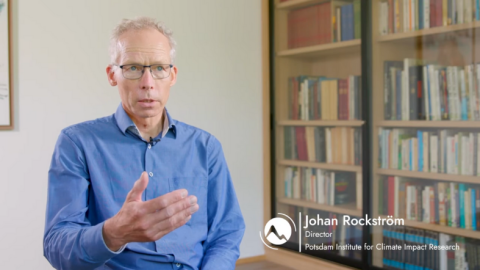
Villars Institute YouTube Channel
Expert conversations on global challenges, systems thinking, and solutions for a resilient future.

Watch How to Live on Earth: Now Live on YouTube
A documentary by Open Planet and the Villars Institute revealing why protecting biodiversity is essential for a thriving planet.

Explore The Venue
Partners:
Articles and Videos

The state of the energy transition
My annual memo about the journey to zero emissions.
Partners:


How Carbon Forestry Can Preserve Biodiversity - The Villars Institute
Global warming and biodiversity loss are two of the biggest crises facing our planet. The two are interlinked, though treated as separate issues by the in...

Digital higher education: a divider or bridge builder? Leadership perspectives on edtech in a COVID-19 reality - International Journal of Educational Technology in Higher Education
The edtech community has promoted claims that digital education enhances access, learning, and collaboration. The COVID-19 pandemic tested these claims like never before, as higher education systems seemingly overnight had to move teaching online. Through a sequential mixed-method approach, we investigated how 85 higher education leaders in 24 countries experienced this rapid digital transformation. Through their experiences, we identified the multiple and overlapping factors that contribute to an institution’s ability to realize the potential of digital education, in terms of access, learning and collaboration, whilst highlighting deeply rooted inequalities at the individual, institutional and system level. Drawing on these empirics, we put forth recommendations for closing the digital divides and pathways forward. Higher education leaders are uniquely positioned to move beyond the emergency adoption of online learning towards inclusive, long-term visions for digital education, which emphasize collaboration over individual gain.
(Laufer, M., Leiser, A., Deacon, B. et al., Int J Educ Technol High Educ 18, 51 (2021). https://doi.org/10.1186/s41239-021-00287-6
Please find a brief summary of the article in the video below. The full research article can be found here and on this Youtube video
Why Does the Energy Transition Matter for Everyone?
In our fight against #ClimateChange and the #EnergyCrisis, the #EnergyTransition offers a promising solution. However, challenges such as financing and establishing effective policies in #developing countries hinder our ability to unlock and scale the full potential of #renewableenergy.
Jim Watson, Director of the Institute for Sustainable Resources at UCL and Professor of Energy Policy, emphasizes the critical need for #internationalcollaboration among #scientists, #economists, and #policyexperts. In this insightful discussion, he highlights how these diverse fields can work together to shift political and economic interests from #fossilfuels toward renewable energy sources.
Watson explains that by aligning efforts across disciplines, we can create a more robust framework for supporting sustainable energy initiatives. This collaboration is essential for overcoming existing barriers and fostering a transition that prioritizes environmental integrity and social equity.
Join us as Jim Watson outlines the steps necessary for making meaningful progress toward a sustainable future, where renewable energy can thrive and play a central role in addressing global challenges.
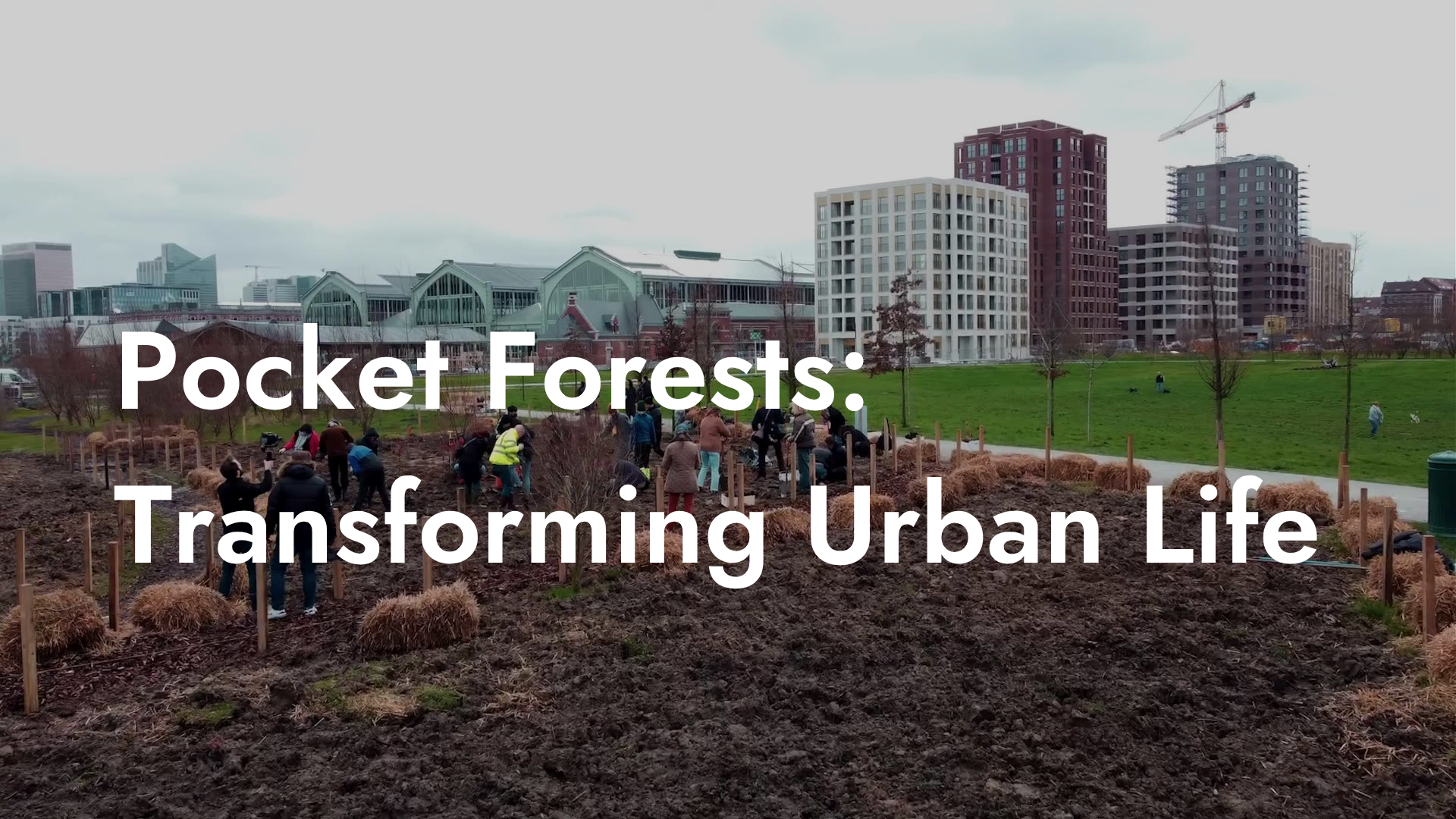
How Can Pocket Forests Transform Urban Living and Improve City Life?
Urban environments like London, Cairo, Rio, and New York are often characterized by their hustle and bustle, yet they lack the calming and restorative benefits that nature provides. The SUGi Project seeks to change that by combining #IntergenerationalCollaboration with #Afforestation efforts to create #PocketForests in cities. These green spaces serve as essential retreats, allowing city dwellers to disconnect from the fast pace of urban life while promoting the restoration of biodiversity.
To date, the SUGi Project has successfully planted over 288,000 native trees across 160 projects, contributing significantly to urban rewilding initiatives. In this video, Founder and CEO Elise Van Middelem shares her insights on the importance of creating these Pocket Forests and the role they play in enhancing urban ecosystems.
Discover how urban rewilding can not only improve mental well-being but also provide habitats for wildlife and promote ecological resilience. Join us in exploring the transformative power of nature in our cities and learn how we can work together to foster greener, healthier urban environments.
GLC Face 2 Face #2: What works? Digital learning in times of crisis
While the speed with which teaching is currently being digitized is unprecedented, many education institutions already have preexisting knowledge and experience when it comes to digital learning. Which approaches fall under “digital learning”? Do we know which approaches work best in an online setting? How can success in teaching be measured? Do success indicators differ between offline and online learning? In short, what do we know, what do we need to find out, and what are the implications for the current situation?
In this second episode, GLC Members Carl Wieman and Volker Meyer-Guckel talk to us about what we already know about digital learning. Nobel laureate Carl Wieman has used digital learning extensively in his own teaching at Stanford University and comes equipped with an empirical perspective on what constitutes successful digital learning. Volker Meyer-Guckel is Deputy Secretary General of the Stifterverband in Germany, where he works with foundations to introduce innovative teaching approaches into learning environments. Together they discuss what makes for good digital learning and how education institutions can best implement this.
Volker Meyer-Guckel, Deputy Secretary General, Stifterverband, GLC Member
Volker Meyer-Guckel studied English Philology, Chemistry and Philosophy at the Universities of Kiel, Belfast and New York. He is Head of the Programme and Funding Department and Deputy Secretary General of the Stifterverband für die Deutsche Wissenschaft (Donors’ Association for the Promotion of Sciences and Humanities in Germany).
Carl Wieman, Nobel Laureate & Professor of Physics and Education, Stanford University, GLC Member
Carl Wieman holds a joint appointment as Professor of Physics and of the Graduate School of Education. He has done extensive experimental research in atomic and optical physics. His current intellectual focus is now on undergraduate physics and science education. He has pioneered the use of experimental techniques to evaluate the effectiveness of various teaching strategies for physics and other sciences, and recently served as Associate Director for Science in the White House Office of Science and Technology Policy. In 2001 he recieved the Nobel Prize in Physics.
May 4, 2020
Slice Blurb Video Title
Content field. Lorem ipsum dolor sit amet, consectetur adipiscing elit, sed do eiusmod tempor incididunt ut labore et dolore magna aliqua. Ut enim ad minim veniam, quis nostrud exercitation ullamco laboris.



Powered By